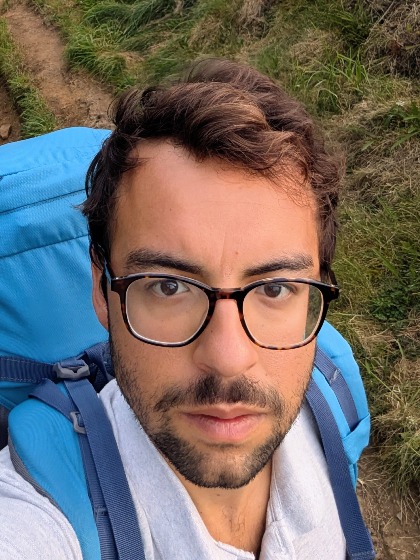
On 8 June 2026, Posthumus alumnus Dinos Sevdalakis will defend the thesis ‘Tracing the roots of population growth: Fertility and mortality transitions in West Africa (1880-1980)’ at the University of Groningen. Supervisors are Professor Hilde Bras and Dr Adrien Remund (both University of Groningen) The N.W. Posthumus Institute wishes Dinos a successful defence!
Category: Agenda
-
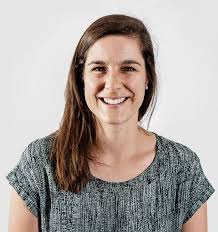
Public Lecture ‘Project 1834’ by Dr Kate Ekama
On 24 June 2026, Dr Kate Ekama (Stellenbosch University) will deliver a public lecture on the brand-new ‘Project 1834’, which relates to Stellenbosch University’s broader transformation policy and efforts toward research, restitution, and social justice.
Dr Kate Ekama is a Senior Researcher at Stellenbosch University and the Laboratory for the Economics of Africa’s Past (LEAP). Her work addresses aspects of the lived experience of colonialism in the eighteenth and nineteenth centuries across the Indian Ocean World. Kate’s research contributes to better understanding the transformative period of emancipation in the Cape Colony and its legacies.
The lecture is delivered as part of the Masterclass ‘Social Histories of Dutch Colonialism in the Indian Ocean World’ held on the same day.
Those wanting to attend, may contact Dries Lyna and Paul van der Linde for further details.
-
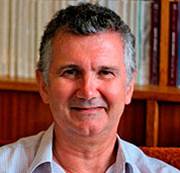
Masterclass ‘Social Histories of Dutch Colonialism in the Indian Ocean World’ with Professor Nigel Worden
On 24 June 2026, the research groups ‘Colonial Relations and Structures’ and the ‘Radboud Group for Historical Demography and Family History’ (both Radboud Institute for Culture and History), in cooperation with the N.W. Posthumus Institute, organise the masterclass Masterclass ‘Social Histories of Dutch Colonialism in the Indian Ocean World’.
Keynote speaker at this masterclass will be Emeritus Professor Nigel Worden (University of Cape Town). The aim of the workshop is to bring together Dutch junior and senior researchers working on social histories of VOC territories in the Indian Ocean World.
Also, Dr Kate Ekama (Stellenbosch University) will present her new ‘Project 1834’ during the break of this lunch seminar.
Those wanting to participate, may contact Dries Lyna and Paul van der Linde for further details.
-
Symposium ‘Facing Crisis: Interdisciplinary Symposium in the Humanities ‘ (Nijmegen, 16 April 2026)
Continuing a tradition that started only last year, the students of Radboud University’s Research Master in Historical, Literary and Cultural Studies will be organising another symposium this year. The symposium, titled ‘Facing Crisis: Interdisciplinary Symposium in the Humanities’, will take place on 16 April 2026 on the campus of Radboud University.
Approaching ‘crisis’ through the shared fields of history, literature, and art/visual studies encourages us to think about what we conceptualize as ‘crisis’, how we deal with it, and how it impacts us. Researchers Dr Jacob Engelberg (University of Amsterdam), Professor Lotte Jensen (Radboud University), and Professor Sandra Ponzanesi (Utrecht University) will each shine their light on the topic of crisis before entering a roundtable discussion with several students from Radboud University’s Research Masters in Historical, Literary and Cultural Studies to discuss it in further detail and draw connections between the various fields.
For more info, you can contact Emma Zijp at Radboud University.
-
Valedictory lecture Professor Jan Kok
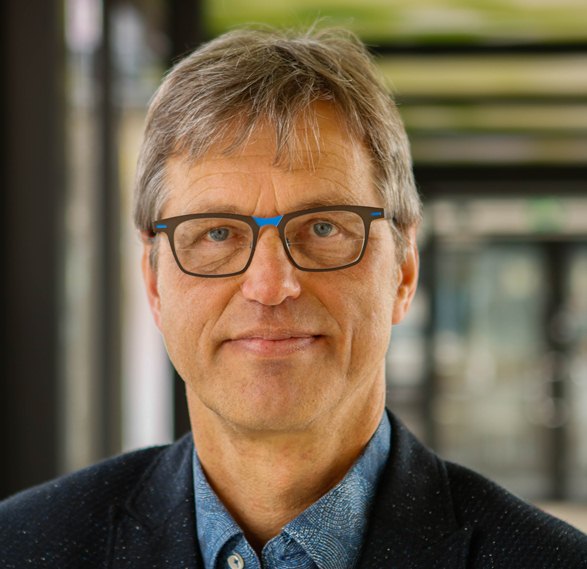
On 25 June 2026, Jan Kok, Professor of Economical, Social and Demographic History at the Faculty of Arts, Radboud University, and longstanding member of the N.W. Posthumus Institute, will deliver a valedictory lecture (in Dutch), titled ‘Homo Dipisiensis: Over de historische demografie van ontheemden’.
The lecture can be attend in-person, in that case pre-registration is requested. The lecture will also be streamed online via the live stream of Radboud University.
-
Book workshop (Leiden, 4 June 2026) – deadline applications 1 May 2026
On 4 June 2026, the N.W. Posthumus Institute, organises a book workshop, to be led by initiator Viola Müller, postdoc researcher and lecturer within the Economic and Environmental History Group at Wageningen UR.
Aim of the workshop
This workshop aims to bring together a community of researchers struggling with similar issues, e.g. writing for a broader audience, developing your own ‘style of writing’, and how to compose a convincing book proposal. The programme is intentionally informal in nature and mainly strives to create opportunities for conversations and exchange of experiences.
Invited speakers
The following speakers have confirmed to share their experiences regarding the writing process, dealing with editors and publishers, and developing a book proposal.
Janna Coomans is Assistant Professor with the Department of Medieval History at Utrecht University. Janna’s research mainly focuses on social history, urban history, and public health in premodern cities. In 2021, she was awarded a NWO Veni-grant for her research project ‘Inflammable cities: how fire risks transformed the Low Countries, 1250-1600’. In 2026, her book Dievenland: Overleven in de middeleeuwen (De Bezige Bij, 2025) was awarded the Libris Literatuurprijs. 
Maarten Prak is emeritus Professor (although, in his own words, “still very active”) of Economic and Social History at Utrecht University. Maarten is regarded as a key expert on the subject of the Dutch ‘Golden Age’ and as such has been involved as expert in several Dutch public broadcast series like De Gouden Eeuw (2012) and 80 Jaar Oorlog (2018). In addition to his extensive publications record, in 2026 he was the general editor of the 3-volume publication The Cambridge Urban History of Europe (CUP, 2026). 
Wendy Wauters is doctor of Art History (KU Leuven) and has received several awards for the publication of her dissertation on the perception of late-medieval visitors of churches. Her research resulted in the publication De geuren van de kathedraal (Lannoo, 2023), aimed at the general public, and several scientific publications. After a career as art director in advertisement she moved to a position where she was responsible for the collection of non-fiction literature for the Antwerp public libraries. Wendy is a renowned speaker at many events and is keen to shed more light on the ‘small stories’ of sixteenth-century people. (Preliminary) programme
10:00-10:15 Welcome 10:15-10:45 Janna Coomans 10-45-11:15 Maarten Prak 11:15-12:30 Conversation with Janna and Maarten 12:30-13:45 Lunch 13:45-14:15 Online Q&A with Wendy Wauters 14:15-15:00 Working in small groups (e.g., on writing process, on organising your writing, etc.) 15:00-15:30 Plenary session by Maarten Prak on differences between publishing your first book and your next book(s) 15:30-16:30 Hands-on session on how to compose a sound and convincing book proposal 16:30 Closing words How to apply?
Participation is free of charge, prior application however is required because of limited capacity and catering. You can apply via the button below. A maximum of 30 participants will apply; in case of exceeding this number, Posthumus PhDs will have priority placement, other applications will be dealt with on a ‘first come, first served’-basis. Application deadline is 1 May 2026; you will be informed about the result of your application in the first week of May.
-
Successful PhD Defence Posthumus alumna Alessandra De Mulder
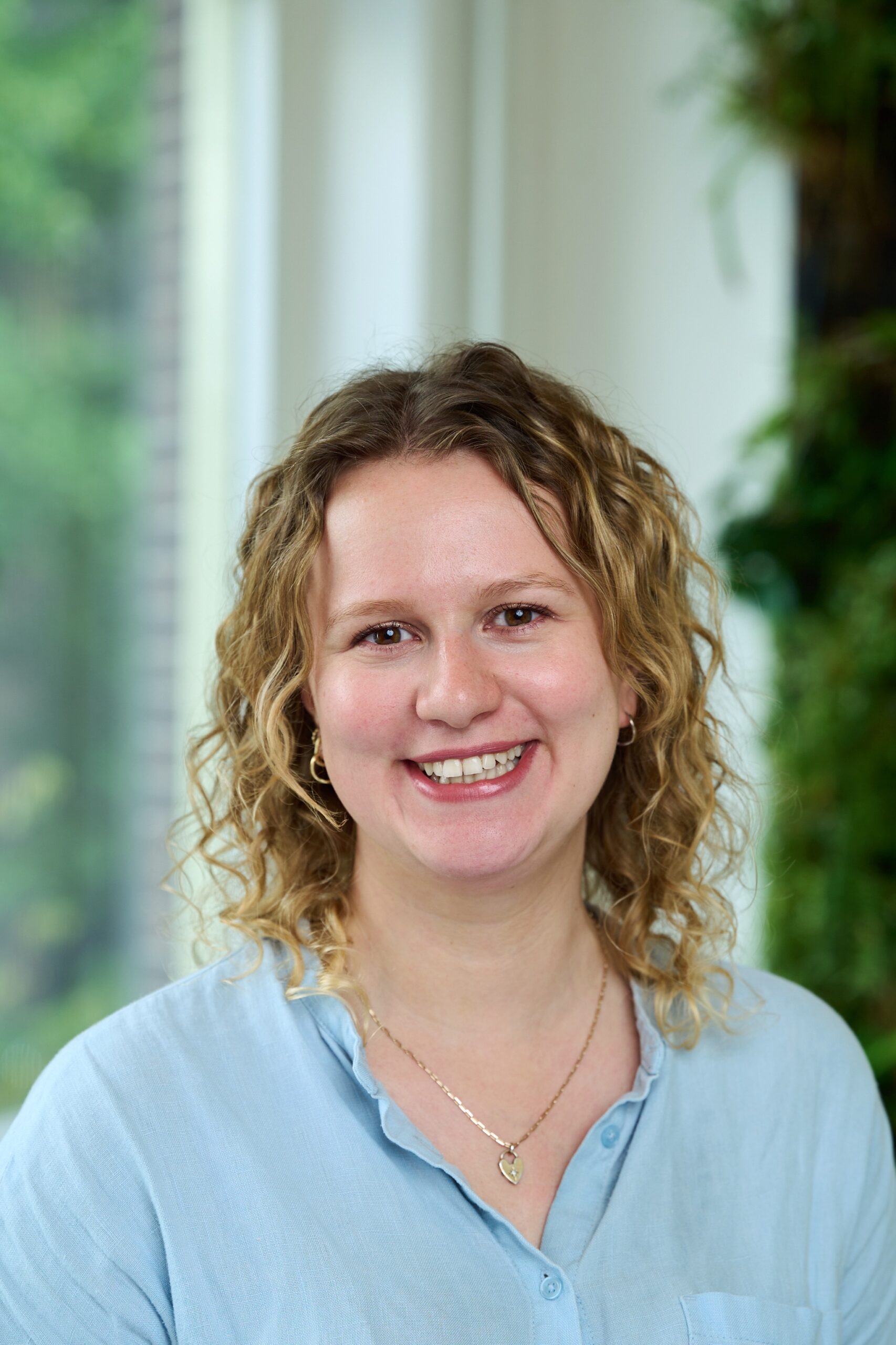
On 27 March 2026, Posthumus alumna Alessandra De Mulder (University of Antwerp) successfully defended the thesis ‘Embedding a consumer revolution: Shifting values in the language of London auction advertisements, c. 1730-1830’ at the FelixArchief in Antwerp. Supervisors were Professor Bruno Blondé and Professor Ilja Van Damme (both University of Antwerp.
Alessandra’s dissertation examines the emergence of modern consumer culture through the language of eighteenth-century London auction advertisements. By combining digital humanities methodologies with traditional historical analysis it uncovers what values actually mattered to Georgian consumers and shows that everyday linguistic practices of buying and selling played a crucial role in the consumer revolution. Alessandra’s research nuances our understanding of the so-called consumer revolution by demonstrating that consumer culture emerged not simply through grand economic or social transformations but through everyday practices of buying, selling, and describing material goods; practices that were fundamentally linguistic by design. The study demonstrates that auctioneers functioned as active ‘arbiters of taste’ rather than passive intermediaries. By bridging the gap between theoretical frameworks about consumer values and the actual linguistic evidence of marketplace practices, this study offers new perspectives on how Georgian Londoners navigated an increasingly complex material world, constructed meanings around household goods, and participated in the birth of modern consumer society through the language they used to describe, desire, and acquire objects.
The N.W. Posthumus Institute staff congratulates Alessandra with obtaining the Ph!
-
Summer School ‘Tensions of Europe 2026’ (Dordrecht, 6-7 July 2026)
The Tensions of Europe Early Career Scholars Network welcomes applications from both PhDs and Postdocs for the Summer School ‘Tensions of Europe 2026’ on 6-7 July 2026, which is organised in connection to the XII Tensions of Europe Conference ‘The meaning of the past in sustainable futures’, which will be held on the next days (8-10 July 2026) at the Eindhoven University of Technology.
The summer school will take place in Dordrecht, the Netherlands, July 6-7, 2026. It aims at introducing early career scholars to the Tensions of Europe community as well as to facilitate networking between scholars across borders, and support the consolidation and building of new academic skills.
The summer school is organised to a large extent around workshops and group discussions. Participants will be asked to do some preparatory readings (3 to 5 papers), to write a short text on their research which will be circulated before the summer school (300-500 words), and to prepare a very brief presentation on it (2-3 minutes). Additional information and materials will be provided after the notification of acceptance.
Confirmed guests include Professor Ruth Oldenziel (Eindhoven University of Technology), Professor Nina Wormbs (KTH Royal Institute of Technology), Dr Anna Aberg (Chalmers University of Technology), Dr Emily Clark (University of Amsterdam), and Dr Anne Helmond (Utrecht University).
For accepted participants, a participation fee of 50 euros (including welcome dinner, summer school lunches and coffee breaks, and the field trip) applies. Applications should be sent ultimately by the extended deadline of 20 April 2026, 23:59 (CET) via the dedicated registration form.
-
Conference ‘Households as Coercive Labour Regimes II’ (Bonn, 15-17 Jan 2027)
On 15 and 16 January 2027, the international coe ‘Households as Coercive Labour Regimes II’ will be jointly organised by the Bonn Center for Dependency and Slavery Studies (BCDSS) of the University of Bonn and the International Institute of Social History (IISH). Organisers of this event are Stephan Conermann (BCDSS) and Posthumus fellows Ulbe Bosma and Gijs Kessler (both IISH).
During the conference, the organisers would like to focus on larger household-type organizations, including the private households of the military, political and economic elites, but also, for example, army barracks or ships, plantations, prisons, labour camps, haciendas and estates. Such households represent labour regimes based on an asymmetrically dependent work force consisting of servants, peasants, enslaved and other coerced labourers. Various forms of such labour regimes have existed throughout human history in all parts of the globe. This is why the organisers start out from the hypothesis that they are without exception formative for societies. Against this backdrop, they aim to cross the usual historiographical divides between modern and pre-modern and would like to inquire into the various forms, functions, developments, justifications and changes of the different types of coerced labour can be identified in these households.
Participants who want to participate, should submit an abstract (which should not exceed 300 words) ultimately by 15 April 2026 via an e-mail to Stephan Conermann.
FULL CALL (PDF) -
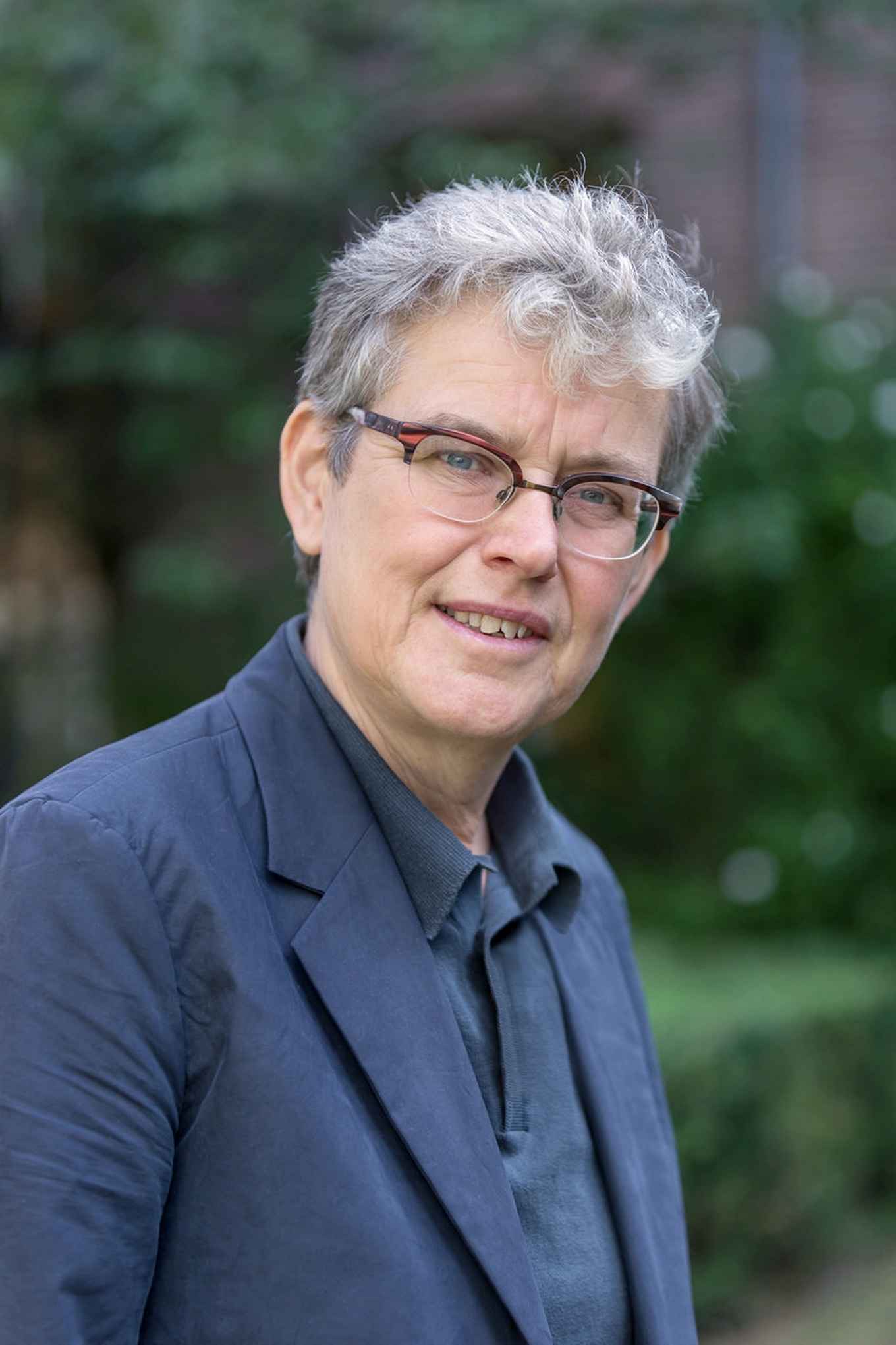
Lecture ‘A colonialism of good intentions’ by Professor Geertje Mak
On 1 April 2026, Geertje Mak, History Professor at the University of Amsterdam and senior researcher at KNAW-NL-Lab, will talk about the open access-book Geertje authored on Dutch missionary couples in Papua New Guinea, late 19th and early 20th centuries (Huishouden in Nieuw-Guinea. Zending en het kolonialisme van goede bedoelingen, Walburg Pers 2024).
Attendance is free of charge, prior registration is however requested.