Research School for Economic and Social History

Category: News

  • N.W. Posthumus Institute congratulates graduates PhD Basic Training

    N.W. Posthumus Institute congratulates graduates PhD Basic Training

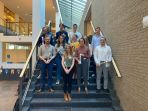
    At the Posthumus Conference 2022, held on 30 June and 1 July at the Erasmus School of History, Culture and Communication of Erasmus University Rotterdam, the PhDs present received their Certificate obtained for completing the Basic PhD Training Programma of the N.W. Posthumus Institute. On behalf of the N.W. Posthumus Institute, the staff wants to congratulate these and all other graduates with this result.

    Graduates N.W. Basic Phd Training Programme at the Posthumus Conference 2022

  • Workshop ‘Digital mapping for historians with QGIS’

    Workshop ‘Digital mapping for historians with QGIS’

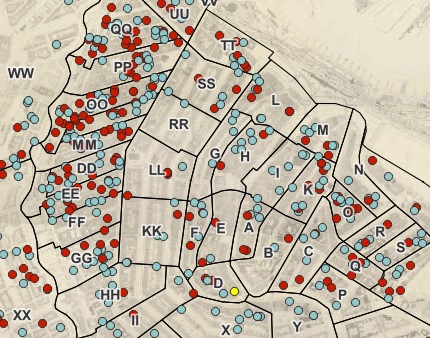
    A map can be an excellent way to visualize your research, but only a small percentage of people know how to make them. Have you been wanting to learn more about digital mapping for your research, but do not know where to start? Or struggle to make time to teach yourself? This workshop may be for you!

    In this workshop, which is made possible by the N.W. Posthumus Institute, the HiDo Scientific Network for Historical Demography, and the Quetelet Center, attendees will be taught the essentials of digital mapping using the world’s most popular open source application QGIS. By the end of this two half-day hands-on workshop, you will be able to combine different types of data to create your own historical maps for use in papers, presentations and other sessions.

    Attendance is free of charge. We can host a maximum of 15 participants for this hands-on workshop, so signing up is necessary. Preference will be given to Posthumus-students and fellows, a wait list will be used in case interest exceeds the number of spaces available. Applicants should provide a brief motivation (a few sentences in English or Dutch) on how the workshop might be useful or interesting for your research.

    Applicants should provide a brief motivation (a few sentences in English or Dutch) on how the workshop might be useful or interesting for your research ultimately 15 July 2022 via e-mail to the organisers (see button below). Please make sure to include information on 1) your institutional affiliation, 2) your position (which year of the PhD or (for ECR) role within university), and 3) brief motivation of the reasons why you are interested in attending.

    E-mail organisers

    Full info (pdf)

  • N.W. Posthumus Instituut, Huizinga Instituut en Onderzoeksschool Politieke Geschiedenis organiseren sessie Historicidagen 2022

    N.W. Posthumus Instituut, Huizinga Instituut en Onderzoeksschool Politieke Geschiedenis organiseren sessie Historicidagen 2022

    ~ because of scope, only in Dutch ~

    Van 25 tot en met 27 augustus 2022 vinden in Rotterdam de KNHG Historicidagen plaats. Op het programma staat een rijke variatie aan sessies en presentaties; bij een aanzienlijk aantal van deze sessies en presentaties zijn studenten en / of fellows van het N.W. Posthumus Instituut betrokken.

    Het N.W. Posthumus Instituut is ook als instituut zelf betrokken bij een van de sessies. Samen met het Huizinga Instituut en de Onderzoekschool Politieke Geschiedenis organiseert het N.W. Posthumus Instituut de labsessie ‘Onderzoeksscholen zonder grenzen? Mondiale perspectieven in de praktijk’. In dit lab zullen de volgende vragen centraal staan:

    • Hoe passen wij in onze onderzoekspraktijk een mondiaal perspectief toe (bv. comparatieve aanpak, Big History, uitwisseling)? Waar is welke methode waardevol? Wat zijn valkuilen of zelfs bedreigingen? Welke methodes blijken effectief?
    • Hoe passen we global history toe in het curriculum (R)MA studenten en promovendi? Welke voorbeelden van effectieve of minder werkbare vormen kennen we? Welke eyeopeners hebben we gehad (als student, onderzoeker, docent)?
    • In hoeverre heeft een mondiaal perspectief onze kijk op geschiedschrijving fundamenteel veranderd? Op welke manieren kunnen we hier productief verder over debatteren (vragen rond standplaatsgebondenheid, autoriteit, bronnenbasis)?

    Het volledige programma is te vinden op de website van de Historicidagen 2022. Dit programma zal regelmatig aangevuld worden met nadere beschrijvingen van de sessies.

    Website

  • Posthumus staff welcomes Midas van de Weetering as student assistant

    Posthumus staff welcomes Midas van de Weetering as student assistant

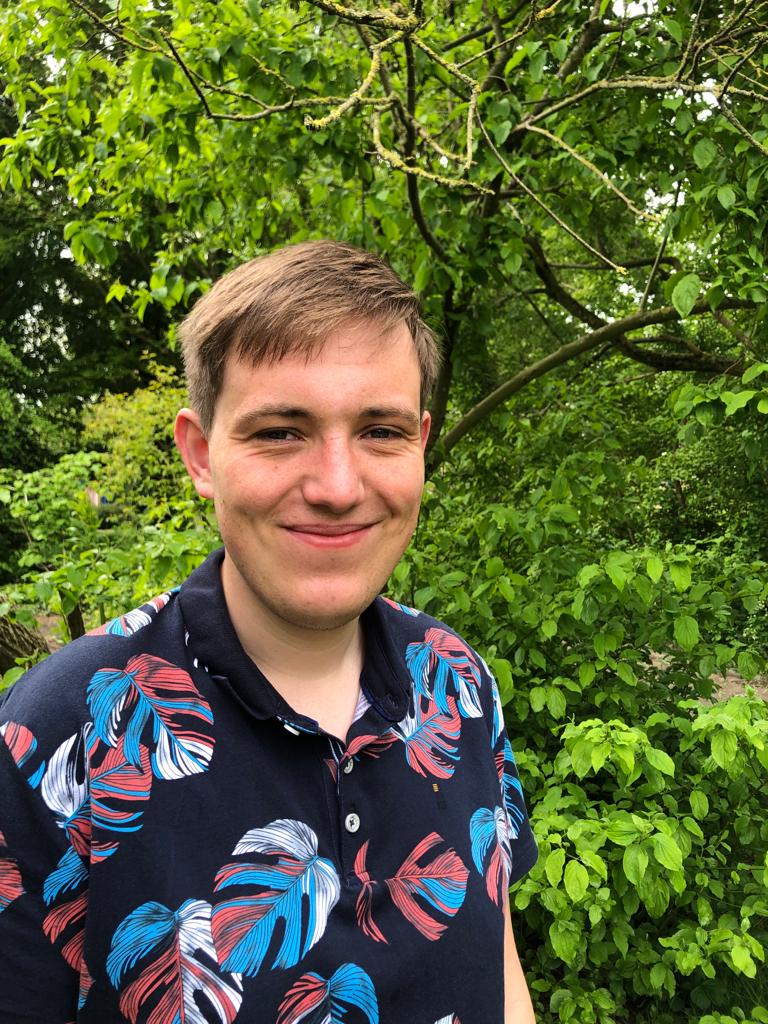
    As of 16 May 2022, the staff of the N.W. Posthumus Institute will be temporarily (until June 2023) supported by student assistant Midas van de Weetering. Midas is currently in the second year of his BA in History at Utrecht University, taking part in the specialisation ‘Societal Challenges’ as well as in the Humanities Honours Programme. His main interest lies with social and economic history, mainly because of the unique perspectives it offers on the long-term development of societies. As student assistant, Midas will be supporting the regular staff in administrative issues as well as in the preparation and practicalities of events such as the annual Posthumus Conference.

    The Posthumus staff welcomes Midas and is looking forward to a fruitfull cooperation.

  • Valedictory Speeches Maarten Prak and Jan Luiten van Zanden – register before 1 June 2022

    Valedictory Speeches Maarten Prak and Jan Luiten van Zanden – register before 1 June 2022

    ~ For Dutch version click here ~

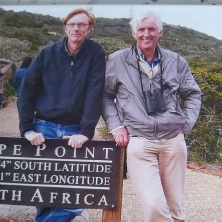
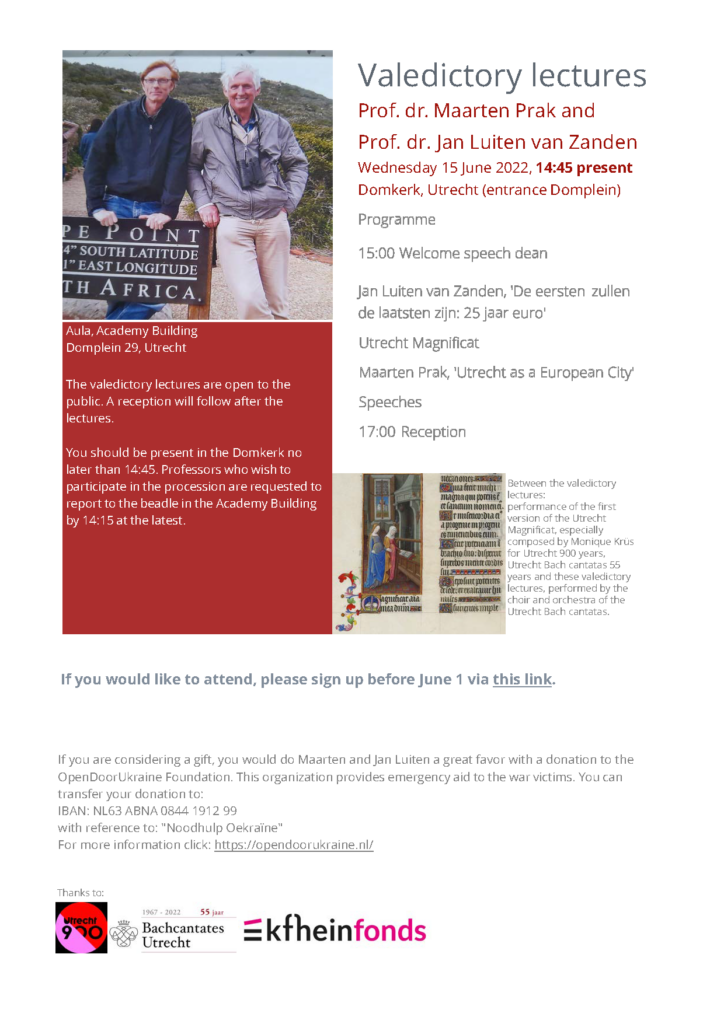
    On Wednesday 15 June at 15:00 Maarten Prak and Jan Luiten van Zanden both will deliver a valedictory speech on the occasion of their retirement and as a conclusion of their thirty years of joint professorship in Social and Economic History at Utrecht University. Both valedictory speeches will be delivered at the same event in the Dom Church, followed by a reception in the adjacent Universtity Hall (Academiegebouw).

    If you wish to attend these valedictory speeches, please do register ultimately by 1 June 2022 via the button displayed underneath.

    REGISTER HERE

    Programme

    14:15-14:45 Welcome guests in Dom Church (main entrance at Dom Square (Domplein)).
    Please note: You need to be seated in the Dom Church ultimately at 14:45 sharp
    14:50 Cortège
    In case you want to join the cortège as professor, you will need to meet with the beadle in University Hall (Academiegebouw) ultimately at 14:15 sharp; a (limited) number of academic gowns are available for guests
    15:00 Welcome by dean
    15:10 Valedictory speech Jan Luiten van Zanden
    De eersten zullen de laatsten zijn: 25 jaar euro
    15.45 Premiere of the first version of the Utrecht Magnificat, specifically composed by Monique Krüs for the joint occasions of Utrecht 900 years, the 55th anniversary of the Utrecht Bach cantatas and the valedictory speeches of Jan Luiten van Zanden en Maarten Prak. The Utrecht Magnificat will be performed by the choir and orchestra of the Utrecht Bach cantatas.
    16.00 Valedictory speech Maarten Prak
    Utrecht as a European City
    16.35 Speeches
    17.00–19.00 Reception in auditorium University Hall (aula Academiegebouw) & Pandhof

    More info

    For additional questions and information, please do contact Helena Čordašev.

    Click to download invitation (pdf)

  • Afscheidscolleges Maarten Prak en Jan Luiten van Zanden – registreer voor 1 juni 2022

    Afscheidscolleges Maarten Prak en Jan Luiten van Zanden – registreer voor 1 juni 2022

    ~ For English version click here ~

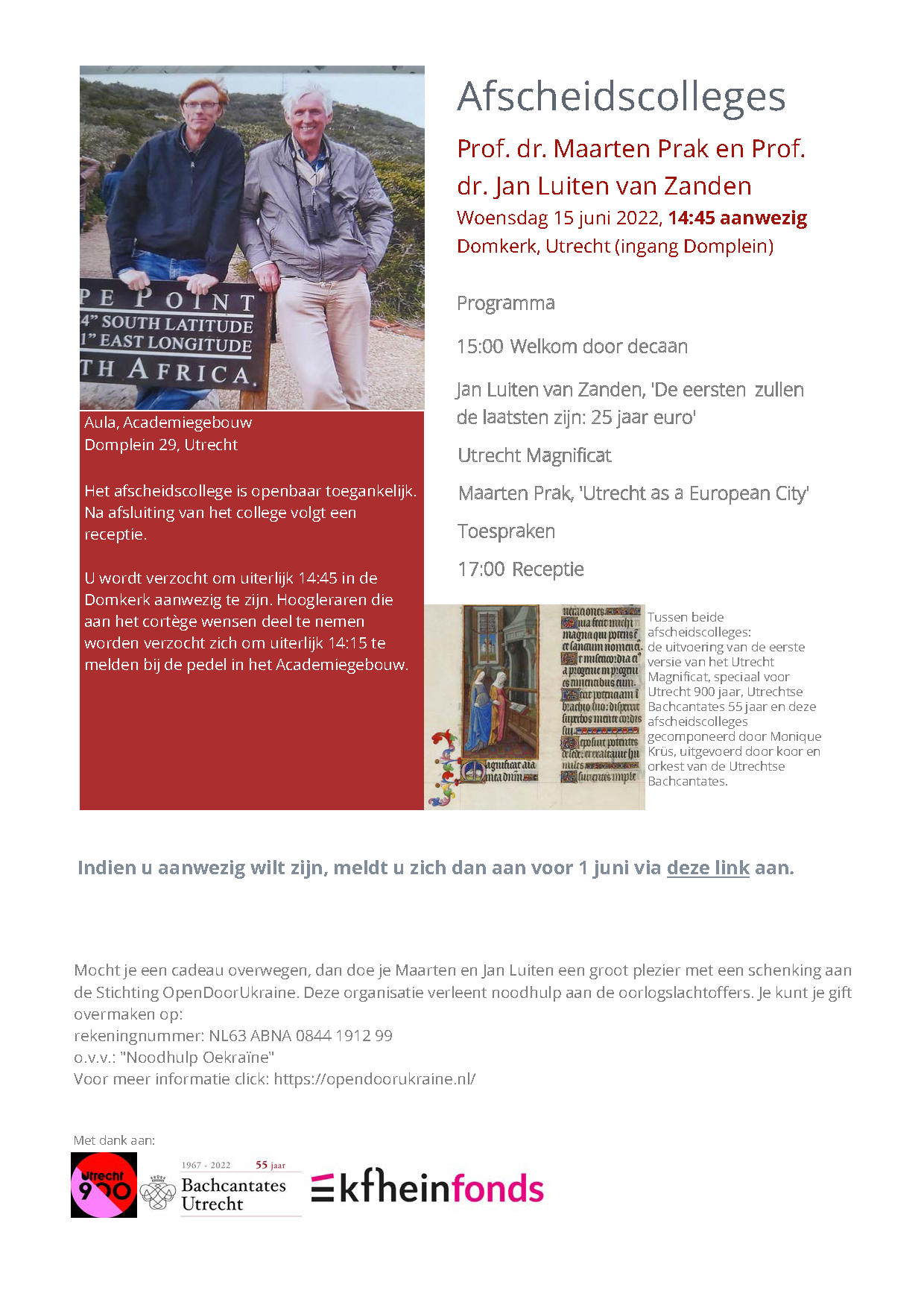
    Op woensdag 15 juni om 15:00 uur houden Maarten Prak en Jan Luiten van Zanden beiden een afscheidscollege ter gelegenheid van hun pensionering, na dertig jaar gezamenlijk hoogleraarschap Sociale en Economische Geschiedenis aan de Universiteit Utrecht. Deze afscheidscolleges vinden aaneengesloten plaats in de Domkerk te Utrecht, gevolgd door een receptie in het aangrenzende Academiegebouw.

    Indien u deze afscheidscolleges bij wilt wonen, registreert u zich dan voor 1 juni 2022 via onderstaande button.

    REGISTREER HIER

    Programma

    14:15-14:45 Welkom gasten in Domkerk (via hoofdingang Domplein).
    Let op: U dient uiterlijk 14:45 in de Domkerk te hebben plaatsgenomen
    14:50 Cortège
    Indien u als hoogleraar deel wilt nemen aan dit cortège, dient u zich uiterlijk 14:15 uur bij de pedel in het Academiegebouw te melden; een (beperkt) aantal leentoga’s is beschikbaar
    15:00 Welkomstwoord door decaan
    15:10 Afscheidsrede Jan Luiten van Zanden
    De eersten zullen de laatsten zijn: 25 jaar euro
    15.45 Uitvoering van de eerste versie van het Utrecht Magnificat, speciaal gecomponeerd door Monique Krüs ter gezamenlijke gelegenheid van 900 jaar Utrecht, het 55-jarig bestaan van de Bachcantates Utrecht en de afscheidsredes van Jan Luiten van Zanden en Maarten Prak. Het Utrecht Magnificat zal worden uitgevoerd door koor en orkest van de Bachcantates Utrecht.
    16.00 Afscheidsrede Maarten Prak
    Utrecht as a European City
    16.35 Toespraken
    17.00–19.00 Receptie in aula Academiegebouw en Pandhof

    Meer informatie

    Voor vragen en informatie kunt u desgewenst contact opnemen met Helena Čordašev.

    Klik hier voor een pdf van de uitnodiging

  • Lecture Professor Deepak Nayyar – ‘The Asian Miracle: Learning From a Half-century of Transformations’ – register before 13 June 2022

    Lecture Professor Deepak Nayyar – ‘The Asian Miracle: Learning From a Half-century of Transformations’ – register before 13 June 2022

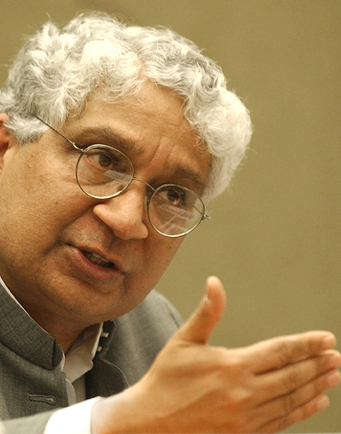
    The Wageningen School of Social Sciences (WASS), the Section Economics of WUR and the N.W. Posthumus Institute jointly and cordially invite you to a lecture by Professor Deepak Nayyar (Emeritus Professor of Economics at Jawaharlal Nehru University, New Delhi), entitled ‘The Asian Miracle: Learning from a Half-Century of Transformations’. This lecture is made possible by inter alia financial support through the Dutch Research Council (NWO).

    The lecture

    The lecture analyses the phenomenal transformation of Asia, which would have been difficult to imagine, let alone predict, fifty years ago. In doing so, it provides an analytical narrative of this remarkable story of economic development, situated in the wider context of historical, political and social factors, and an economic analysis of the underlying factors, with a focus on critical issues in the process of, and outcomes in, development. The analytical conclusions drawn contribute to contemporary debates on development, and highlight some lessons from the Asian experience for countries elsewhere.

    In 1970, Asia was the poorest continent in the world, marginal except for its large population. Since then, it has been transformed beyond recognition, in the development of nations and living standards of people. This transformation has been uneven across countries and unequal among people. Yet, Asia’s economic progress in this short time span has been remarkable and almost unprecedented in history. It is beginning to shift the balance of economic power in the world. At this juncture, however, the world is also confronted with mounting economic problems and political challenges, so that the uncertain future is a challenge.

    About the speaker

    Professor Nayyar is one of the leading thinkers on Asian development and has had a distinguished career in both academia and public service. He is Emeritus Professor of Economics at Jawaharlal Nehru University, New Delhi, and an Honorary Fellow of Balliol College, Oxford. He is Chair of the Board of Trustees, Institute of Development Studies, Sussex. He previously served as Vice Chancellor, University of Delhi, and Distinguished University Professor of Economics at the New School for Social Research, New York. Earlier, he taught at the University of Oxford, the University of Sussex, and the Indian Institute of Management, Calcutta. Professor Nayyar has also been engaged with public policy as Chief Economic Adviser to the Government of India. His latest books are Resurgent Asia: Diversity in Development and Asian Transformations: An Inquiry into the Development of Nations.

    How to participate

    The lecture will be at Wageningen University; there will be no livestream. If you want to join for this lecture, please send an email ultimately by 13 June 2022 to the organiser, Dr Pim de Zwart.

    CONTACT ORGANISER
  • Change in General Board N.W. Posthumus Institute

    Change in General Board N.W. Posthumus Institute

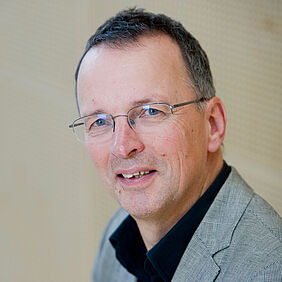
    As of May 2022, Professor Hans Mol will be succeeded as representative of the Fryske Akademy in the General Board of the N.W. Posthumus Institute by Professor Hanno Brand. The N.W. Posthumus Institute board expresses its thanks to Professor Hans Mol for his valuable contribution to the General Board of our institute over the past years and welcomes Hanno Brand as his successor!

  • Round table and book launch ‘The early modern state’ preceding valedictory speech Professor Marjolein ‘t Hart

    Round table and book launch ‘The early modern state’ preceding valedictory speech Professor Marjolein ‘t Hart

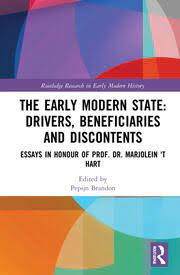
    Preceding her valedictory speech, colleagues and friends will celebrate the work of Professor Marjolein ’t Hart by discussing her work and launching the book The early modern state: Drivers, beneficiaries and discontents (eds. Pepijn Brandon, Lex Heerma van Voss and Annemieke Romein), containing essays in her honour. The volume will be published by Routledge later in June.

    Book Description

    In the course of the early modern period, the capacity of European states to raise finances, wage wars, subject their own and far away populations, and exert bureaucratic power over a variety of areas of social life increased dramatically. Nevertheless, these changes were far less absolute and definitive than the literature on the rise of the “modern state” once held. While war pushed the boundaries of the emerging fiscal military states of the seventeenth and eighteenth centuries, rulers remained highly dependent on negotiations with competing elite groups and the private networks of contractors and financial intermediaries. Attempts to increase control over subjects often resulted in popular resistance, that in their turn set limits to and influenced the direction of the development of state institutions. Written in honour of the leading historian of war and state formation in the early modern Low Countries, Marjolein ‘t Hart, the chapters gathered in this volume examine the main drivers, beneficiaries and discontents of state formation across and beyond Europe in the early modern period.

    Participants (confirmed)

    How to participate

    This event is freely accessible, registration is not required.


    Click to download (pdf)

  • Early Career Symposium ‘Hansards in the World: Continuity and Discontinuity on the Intellectual, Cultural, and Economic Frontiers of the Early Modern Hanse’

    Early Career Symposium ‘Hansards in the World: Continuity and Discontinuity on the Intellectual, Cultural, and Economic Frontiers of the Early Modern Hanse’

    Hansards in the World gathers and promotes new histories of the Hanse, an association of European merchants and towns, and how they interacted with the wider world in the early modern period. Contributors explore novel perspectives and approaches on the late life and afterlife of this association. How might we engage with the kinetic character of the Hanse? How does our perspective on the Hanse, its people, and its encounters with the non-Hanseatic world change if we focus on art, everyday life, or intellectual currents in the period of its supposed decline from the sixteenth century onwards?

    For the Early Career Symposium ‘Hansards in the World: Continuity and Discontinuity on the Intellectual, Cultural, and Economic Frontiers of the Early Modern Hanse’ the organisers (Alexander Collin Mphil, University of Amsterdam and Suzie Hermán MA, Princeton University) welcome contributions from PhD students and early career researchers and are keen to hear from applicants who might not consider themselves as Hanse historians. Participants will contribute to understanding which aspects of the Hanse persisted beyond the medieval period, and which aspects changed in early modernity. Contributions can draw on a wide range of methodologies and intellectual traditions. Keynote speaker will be Dr Angela Huang (Director of the Research Centre for Hanse and Baltic History at the European Hansemuseum).

    The symposium, originally scheduled for January 2022 will now take place on the postponed dates 12 and 13 May 2022 at the University of Amsterdam. Online participation is also possible.

    SYMPOSIUM WEBSITE