Research School for Economic and Social History

Category: News

  • Posthumus board member Elise van Nederveen Meerkerk appointed as KHMW member

    Posthumus board member Elise van Nederveen Meerkerk appointed as KHMW member

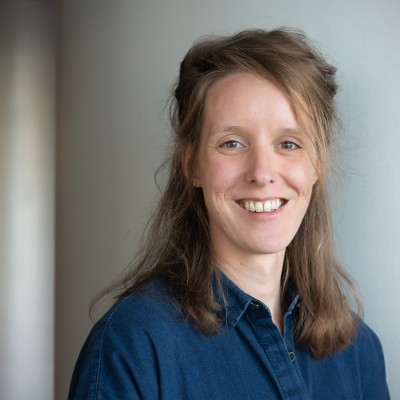
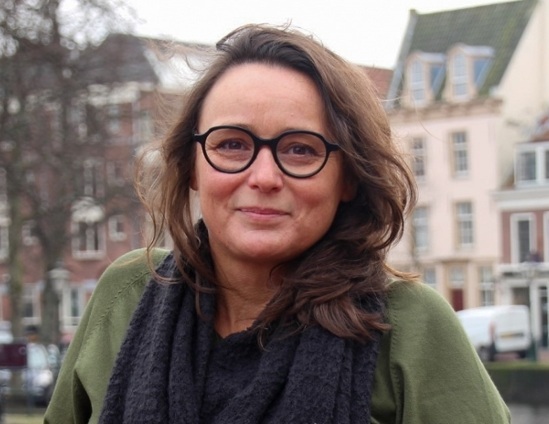
    On 9 February 2026, the Koninklijke Hollandsche Maatschappij der Wetenschappen (KHMW; The Royal Holland Society of Sciences and Humanities) has appointed its new members, among whom Elise van Nederveen Meerkerk, Professor of Economic and Social History at Utrecht University and member of the General Board and Executive Committee of the N.W. Posthumus Institute.

    The KHMW, considered to be the olders ‘Learned Society’ in the Netherlands, was founded as Hollandsche Maatschappij der Wetenschappen in 1752 (with the predicat Royal awarded in 2002 at the occasion of its 250th anniversary. The KHMW’s goal is to promote and foster science in the broadest sense. The KHMW aims to do this by connecting science and society, by organising scientific competitions, by awarding scientific achievements, and organising lectures.

    New members to the KHMW are selected annually and are based on nominations by fellow-scientists. The N.W. Posthumus Institute congratulates Elise with this appointment!


  • Posthumus fellows awarded Open eScience Call 2025 funding for Rags2Riches project

    Posthumus fellows awarded Open eScience Call 2025 funding for Rags2Riches project

    In the most recent funding round, the netherlands eScience center awarded a substantial in-kind contribution to the project ‘From rags to riches: A pipeline for processing semi-structured handwritten texts’ (Rags2Riches) as a result of the Open eScience Call 2025. The team involved in this project consists of researchers from various universities: Dr Auke Rijpma, Dr Bas Machielsen, and Dr Bram van Besouw (all Utrecht University), Dr Michail Moatsos (Maastricht University), Dr Ruben Peeters (University of Antwerp), and Dr Amaury de Vicq (University of Groningen); all also happen to be Posthumus alumni and/or fellows.

    Rags2Riches will make it possible to analyse handwritten inheritance tax records (the so-called Memories van Successie), at an unprecedented scale. The goal is to cover everyone in the Netherlands who died between roughly the 1880s and the late 1920s, with a clear motivation to extend this to the post-WWII period.

    By converting hundreds of thousands of handwritten text into structured, research-ready data that can be searched, linked, and analysed, the project will open up a wide range of use cases. The data can also be linked to other historical sources, enabling work on intergenerational transmission, social mobility, the geography of wealth, and the relationship between wealth and health, including patterns in mortality and cause of death. All tools, models, and workflows will be released as open research software, so they can be reused by researchers and heritage institutions working with digitised historical collections.

    The contribution of the netherlands eScience centre consists of up to 4,545 hours of support plus material costs, representing a maximum value of 500,000 euros over the full project duration.

    The N.W. Posthumus Institute congratulates the research team for receiving this award!

    NEWS ITEM NETHERLANDS ESCIENCE CENTER

  • Workshop ‘Reinterpreting the Caribbean age of revolutions’

    Workshop ‘Reinterpreting the Caribbean age of revolutions’

    Posthumus fellows Dr Ramona Négron and Dr Karwan Fatah-Black invite research paper proposals for the workshop ‘Reinterpreting the Caribbean age of revolutions: Slave revolts, their non-slave participants and proto-citizenship’, to be held on 23 October 2026 at the KITLV/Royal Netherlands Institute of Southeast Asian and Caribbean Studies in Leiden.

    Historians have found that in the history of Atlantic slavery, the period from the 1770s to 1840s saw the most slave rebellions, and within that period, the 1790s are a moment when slave revolts peaked. This workshop aims to explore why so many of the leaders and participants in so-called slave revolts were not enslaved themselves. How sustainable is the framing of these uprisings as revolts for and by enslaved people? The organisers propose to reinterpret these events through the lens of the relationship between the state and subject populations.

    Please note that this workshop will be in tandem with the Graduate Seminar ‘Early modern Caribbean and Atlantic slavery and emancipation’ on the preceding day, 22 October 2026.

    Those who would like to present at this conference should send a 1-page abstract ultimately 30 March 2026 by e-mail to Ramona Négron.

    FULL INFO

  • Graduate Seminar ‘Early modern Caribbean and Atlantic slavery and emancipation’

    Graduate Seminar ‘Early modern Caribbean and Atlantic slavery and emancipation’

    Posthumus fellows Dr Ramona Négron and Dr Karwan Fatah-Black welcome graduate students working on topics related to early modern Caribbean and Atlantic slavery and emancipation to participate in a one-day graduate seminar on 22 October 2026 at the KITLV/Royal Netherlands Institute of Southeast Asian and Caribbean Studies in Leiden, The Netherlands.

    The graduate workshop offers the opportunity for PhD candidates at different stages of their projects to present a chapter, an article draft, or research paper in a small and specialized setting. Participants can expect to receive constructive feedback from peers and invited senior scholars in the field. The workshop aims to foster open discussion across imperial and linguistic contexts and methodological approaches and welcomes contributions at different stages of completion.

    This seminar is organized in tandem with the workshop Reinterpreting the Caribbean age of revolutions: Slave revolts, their non-slave participants and proto-citizenship, to be held at the KITLV the next day, 23 October 2026.

    Graduate students wanting to participate should send their 1-page abstract ultimately 30 March 2026 by e-mail to Ramona Négron.

    MORE INFO

  • Phd Defence Posthumus alumna Rosa Kösters

    Phd Defence Posthumus alumna Rosa Kösters

    On 26 March 2026, Posthumus alumna Rosa Kösters will defend the thesis ‘How to Self-Organise? Insight from Workers at Albert Heijn (Ahold) and Unox (Unilever) in the Netherlands, 1960–2020’ at Leiden University. Supervisors are Professor Leo Lucassen (Leiden University & International Institute for Social History) and Professor Matthias van Rossum (Radboud University).

    In her dissertation, Rosa reconstructs histories of work and workplace organising in the Netherlands between 1960 and 2020. She focuses on workers at the distribution centres and supermarkets of Albert Heijn (Ahold) and at the Unox sausage and soup factory (Unilever), which together employed a diverse workforce of men and women, migrants and natives, as well as young and old workers. The dissertation challenges traditional top-down, union-centred narratives of post-war labour history and puts forward the concept of self-organisation. It demonstrates that workers organised themselves both independently of and within formal trade unions. Additionally, it analyses major economic transformations from the workers’ perspective. Consequently, it reveals that many contemporary workplace features, including flexible contracts and modern distribution logistics, have deeper historical roots, dating back to the 1960s and 1970s.

    The N.W. Posthumus Institute wishes Rosa a successful defence!.

    The ceremony can be attended in person on location as well as online via the live stream of Leiden University.

    MORE INFO
     
    LIVESTREAM

  • Successful PhD Defence Posthumus alumnus Junhao Cao

    Successful PhD Defence Posthumus alumnus Junhao Cao

    On 25 February 2026, Posthumus alumnus Junhao Cao sucessfully defended the PhD thesis ‘Property Rights and Agricultural Growth in Northwestern Europe, 1300-1800’ at Utrecht University. Supervisors were Professor Bas van Bavel and Dr Jessica Dijman (both Utrecht University).

    Junhao Cao’s research seeks to explain the agricultural growth in the Low Countries and England over the period 1300–1800. This study investigates whether the transition towards private and secure land property rights drove agricultural growth, and through what mechanisms such impact occurred. The study employs regional, long-term and comparative approaches. Five case studies—the two main cases being Holland and Norfolk and the three minor ones inland and coastal Flanders and the South Midlands—serve as representatives of the advanced agriculture in the Low Countries and England, and broader in northwestern Europe. The study demonstrates that the favourable development of land property rights formed a precondition for and drove agricultural growth under certain conditions, but the extent of this growth varied, and in some cases stagnation occurred. The crucial points were as follows: free, private and secure property rights increased the transferability of land; land was transferred to dominant social groups which were different across regions; this gave rise to different strategies of land management and different farm size distribution; which in turn shaped labour input patterns and land use models, and thus determined agricultural growth in terms of labour productivity.

    The N.W. Posthumus Institute staff congratulates Junhao Cao with obtaining the PhD!

    THESIS INFO

  • ESSHC 2027 (Lyon, France, 21-24 April 2027)

    ESSHC 2027 (Lyon, France, 21-24 April 2027)

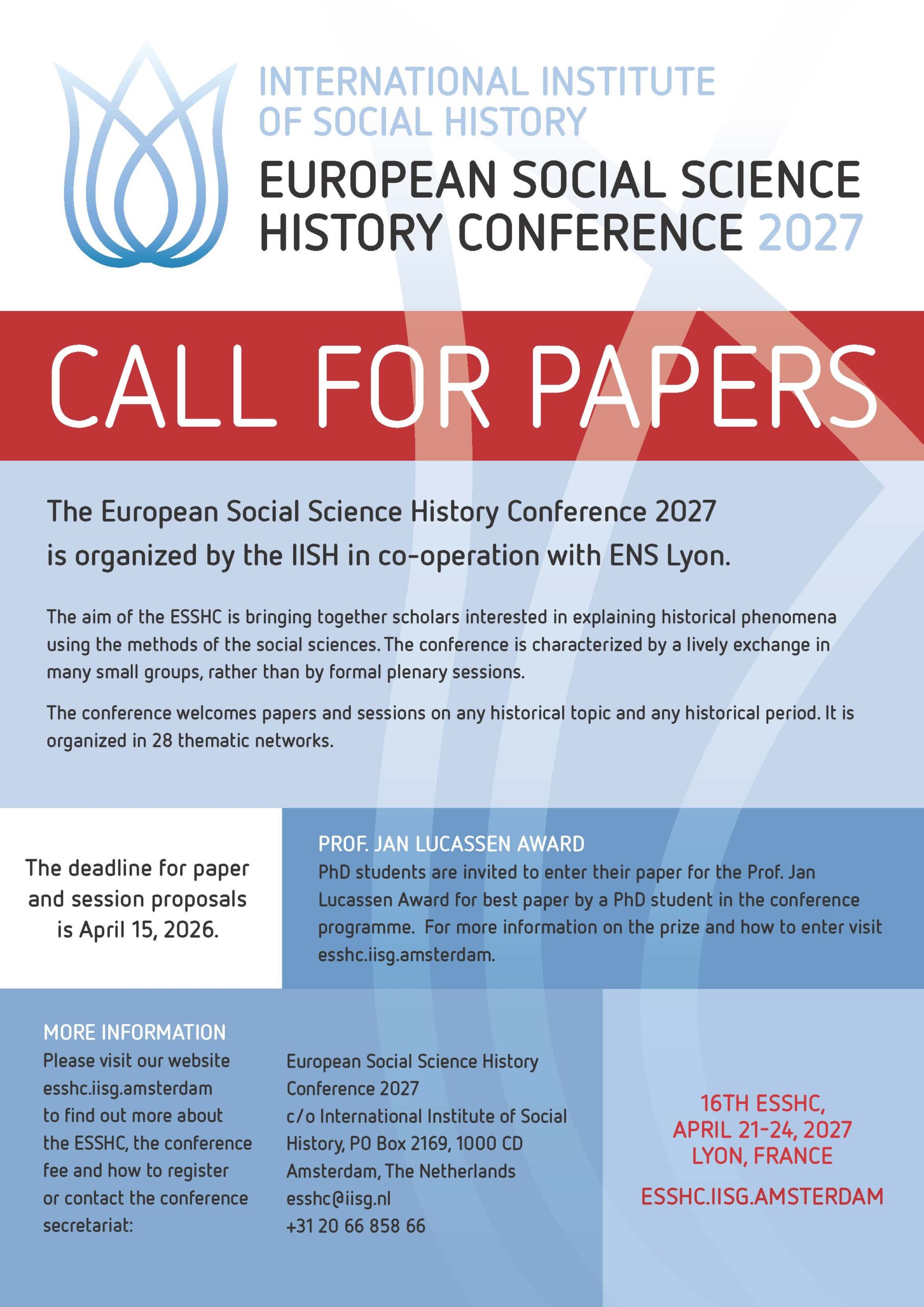
    The International Institute of Social History (IISH), in cooperation with the École normale supérieure de Lyon (ENS Lyon), welcomes paper and session proposals for the 16th edition of the European Social Science History Conference (ESSHC 2027), to be held at ENS Lyon on 21-24 April 2027.

    The aim of the ESSHC is bringing together scholars interested in explaining historical phenomena using the methods of the social sciences. The conference welcomes papers and sessions on any historical topic and any historical period and is organised in 28 thematic networks.

    Proposals should be submitted ultimately by the extended deadline of 22 April 2026 via the dedicated Oxford Abstracts Platform of the IISH.

    FULL INFO

  • Posthumus fellow Pepijn Brandon receives ERC Synergy grant

    Posthumus fellow Pepijn Brandon receives ERC Synergy grant

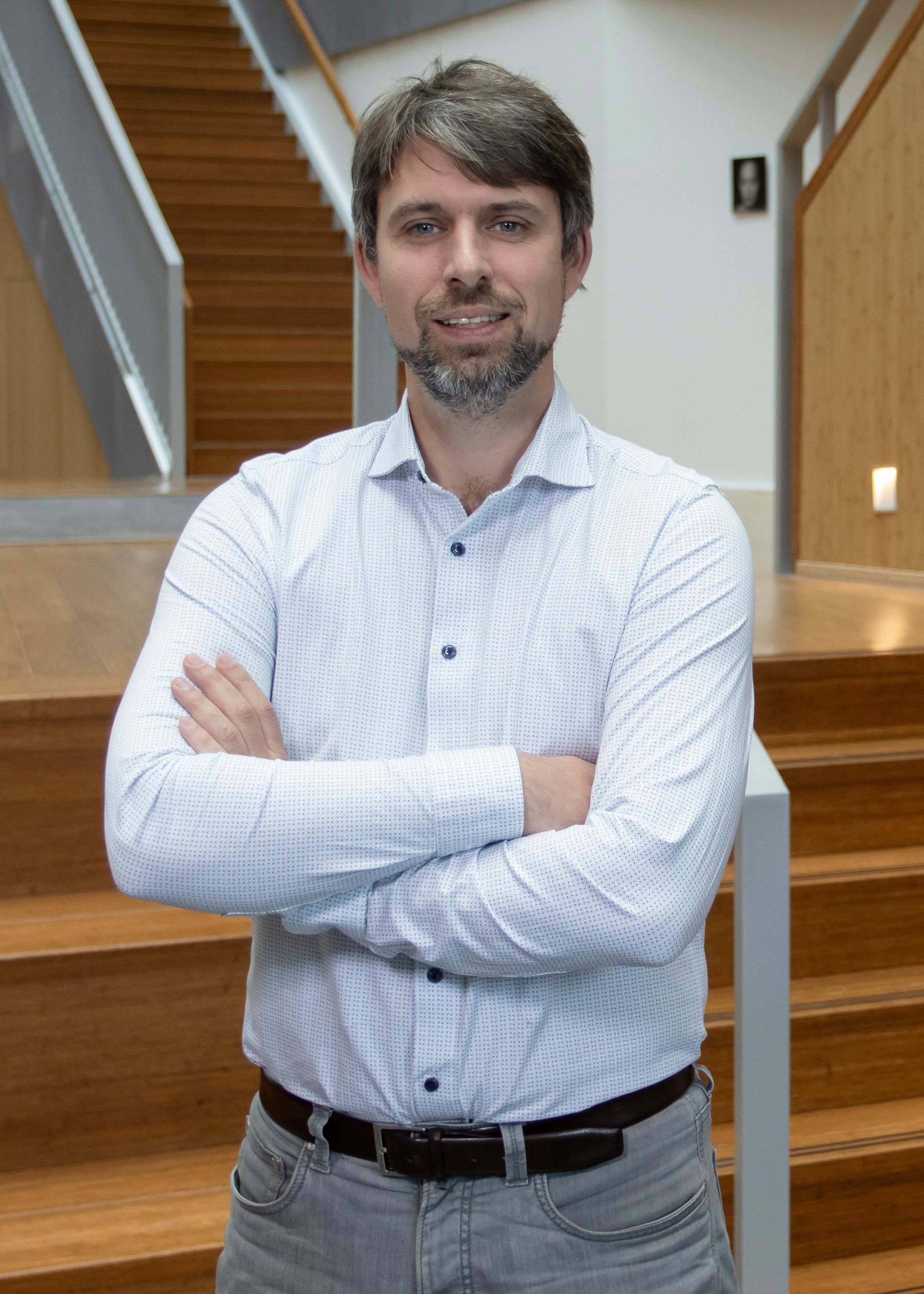
    Professor Pepijn Brandon, fellow and also subsitute member of the General Board of the N.W. Posthumus Institute, recently was awarded, together with three other researchers a Synergy Grant of 10 million euros to investigate these questions within the TASTADE (The Trans-Atlantic Slave Trade and the Development of Europe) project by the European Research Council (ERC).

    Together with William Pettigrew (University of Lancaster), Silvia Marzagalli (Université Côte d’Azur, Nice) and Leonardo Marques (Universidade Federal Fluminense, Rio de Janeiro) (each experts on the history of the slave trade, but combining specialisms on different regions, periods, types of historical sources and approaches), Pepijn Brandon will lead the TASTADE project (The Trans-Atlantic Slave Trade and the Development of Europe). A large team of junior researchers, PhD students, postdoctoral researchers and data specialists will collect, compare and analyse data on investors in the slave trade within this six-year project.

    The ERC Grant will enable them to coordinate archival work in a wide range of languages and national contexts. One of the major innovations in their approach is that they do not focus specifically on the Dutch, English, French, Spanish or Portuguese slave trade, but on the transnational networks that linked investors in all parts of Europe.

    The N.W. Posthumus Institute congratulates Pepijn and his fellow researchers with this grant!.

    NEWS ITEM VU WEBSITE

  • Posthumus fellow Alicia Schrikker appointed Professor of Dutch History in the World at Leiden University

    Posthumus fellow Alicia Schrikker appointed Professor of Dutch History in the World at Leiden University

    The Executive Board of Leiden University has appointed Dr Alicia Schrikker, fellow of the N.W. Posthumus Institute, as Professor of Dutch History in the World, effective 1 January 2026. The chair is based at the Institute of History (Faculty of Humanities).

    Alicia Schrikker is Director of Research at the Leiden University Institute for History. She is interested in society-state interaction in colonial contexts in Asia in the eighteenth and nineteenth century. She supervises BA, MA and Phd research in the fields of socio-legal history, history of disasters and colonial mentality. Her regions of expertise are Sri Lanka, Indonesia and to some extent, South Africa and India.

    The N.W. Posthumus Institute congratulates Alicia with this appointment!

    NEWS ITEM LEIDEN UNIVERSITY

  • Seminar and Workshop ‘Trust, institutions and capitalism in early modern Europe’ – keynote Prof. Craig Muldrew

    Seminar and Workshop ‘Trust, institutions and capitalism in early modern Europe’ – keynote Prof. Craig Muldrew

    On Thursday 23 April and Friday 24 April 2026, the section Economic, Social and Demographic History of Radboud University, supported by the N.W. Posthumus Institute, will host the international seminar and workshop on “Trust, institutions, and capitalism in early modern Europe”. The keynote lecture at this event will be delivered by Professor Craig Muldrew (University of Cambridge).

    Thursday 23 April: Keynote lecture

    On the first day of the event, Professor Craig Muldrew will present his new book The Capitalist Self: the Social Origins of Financial Capitalism in Early Modern Britain (Cambridge University Press, 2025), at the ESDG seminar of Radboud University in room 9.14 of the Erasmus building from 15:30-17:00. The seminar will be followed by drinks and dinner with the speaker.

    Friday 24 April: Workshop

    The workshop on the second day of the event is open to early-career researchers (MA/PhD/Postdoc) who wish to receive feedback on their (ongoing) research. The workshop wants to explore the relationship between the behaviours and norms of economic actors and the accumulation of credit and capital in early modern Europe.

    The organisers call for papers to be presented at the workshop: four participants will be invited to present their work in short presentations, after which the floor is open for feedback and discussion. Please consult the Call for Papers for more information on participation in the workshop.

    Participation

    Participation in the seminar and the workshop is free of charge. Participants are welcome to attend only one of the events, but participants in the workshop are especially encouraged to also attend the lecture during the seminar. For further details or questions about participation, please contact organiser Marte Stoffers.

    For participation in the seminar on Day 1, you can register via the button below

    For submitting a paper proposal, make sure to submit your abstract (500 words max.) and a one-page CV to organiser Marte Stoffers ultimately by 6 March 2026.

    FULL INFO