Research School for Economic and Social History

Author: René van Weeren

  • Environmental History PhD Seminar (Roosevelt Institute, Middelburg)

    Environmental History PhD Seminar (Roosevelt Institute, Middelburg)

    Opportunities for pursuing research in environmental history are expanding in the Netherlands and beyond. In the wake of accelerating climate change, many environmental historians are reflecting on how the environment changes their research practices and the implications of doing environmental historical research while inhabiting the era of climate change. To further promote and facilitate dialogue within this growing field of research, the Roosevelt Institute for American Studies and the Dutch Environmental History Network are organising an International PhD Seminar in Environmental History in Middelburg on 12-13 June 2025.

    The organisers welcome proposals dealing with any timeframe or empirical focus engaging with environmental issues, especially in regard to the history of the United States. Also welcome are proposals that showcase in particular how engaging with the environment in historical research challenges and changes approaches to place, scale, time, and agency.

    Abstracts could be submitted until ultimately 30 November 2024.

    FULL INFO

  • Moving Humanities Conference 2024 on ‘Resistance’

    Moving Humanities Conference 2024 on ‘Resistance’

    The Moving Humanities Conference 2024, organised by Radboud University and Groningen University, will take place on 31 October and 1 November 2024. This year’s theme is ‘Resistance’ taken in its broadest sense, both within subjects of research and the humanities itself. Resistance can be to the common way of understanding things, to other positions and interpretations, to change, or as a subject in itself. Abstracts submission deadline passed on 31 July 2024, but you can still register as non-presenting participant, see the button below.

    For the full programme of the event, please click here for the pdf.

    TO REGISTRATION FORM

  • Conference ‘Back to the Future: Thinking about Futures in Late Medieval and Early Modern Europe and Beyond’

    Conference ‘Back to the Future: Thinking about Futures in Late Medieval and Early Modern Europe and Beyond’

    On 14 and 15 November 2024 the conference ‘Back to the Future: Thinking about Futures in Late Medieval and Early Modern Europe and Beyond’ will be held in Antwerp and online.

    This conference is directly related to the ERC-funded project ‘Back to the Future: Future expectations and actions in late medieval and early modern Europe, c.1400-c.1830’. The Back2theFuture project tries to answer the question of what people did in the past think about the future and how this affected their actions. It draws on a highly innovative combination of close and distant reading methods for more than 15,000 letters written in Dutch, English, French, German and Italian – by and to European merchants – in the period 1400-1830. These practical documents enable the identification the merchants’ thinking and shed light on their future expectations. By reviewing letters from various European regions and over a span of several hundred years, the project will be able to identify transformations.

    Registration is required and can be done via the webpage (see button below), preferably before 15 October 2024.

    MORE INFO

  • Mini-conference ’40 years of abortion legislation in the Netherlands’

    Mini-conference ’40 years of abortion legislation in the Netherlands’

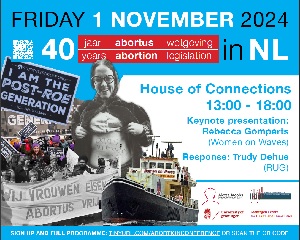
    Organisers Yuliya Hilevych, Karen Hollewand and Hanneke de Boer (all University of Groningen) will organise a mini-conference on the topic ’40 years of abortion legislation in the Netherlands’

    Legal abortion access and provision cannot be taken for granted. While some states have made abortion illegal again today, there are also states that – on the contrary – ensure this right by putting it into their constitution. Histories of legal abortion and journeys towards it matter and they need to be remembered and acknowledged. 1 November 2024 marks 40 years since abortion was legislated in the Netherlands. However, it is still debatable if it can be seen as fully legislated. This mini-conference aims to bring into a conversation the historical and contemporary perspectives on abortion legalisation, abortion travel, abortion care and activism in the Netherlands and internationally.

    Those interested to attend, are asked to register ultimately 30 October 2024.

    FULL INFO AND REGISTRATION

  • New: Online Lecture Series ‘An Introduction to Inequalities in Health using Historical Causes of Death’

    New: Online Lecture Series ‘An Introduction to Inequalities in Health using Historical Causes of Death’

    This online lecture series is scheduled as part of the COST Project CA22116 – The Great Leapand is organised in co-operation with the N.W. Posthumus Institute. It is targeted at students and scholars at all levels interested in exploring major issues related to health inequalities from a historical point of view. There are four modules, each module comprises several lectures. The registration for Module 1 is open now. Module 2 will address sources and databases (expected February 2025 – June 2025). Module 3 will address methods and analyses (expected September 2025 – June 2026). Depending on the feedback from participants, modules are repeated or new modules are added to the online lecture series. For each module it will be possible to earn 1 EC.

    Module 1: Theory

    Please note that registration for this module has closed on 1 October 2024.

    Description

    Participants will gain detailed knowledge from six expert-led lectures on various key topics. The epidemiological transition lecture will give general knowledge on the change in disease prevalence and mortality statistics across different periods; the inequalities in health session is for understanding the socioeconomic and demographic factors affecting these inequities; and the life course determinants of mortality, exploring the impact of various phases of life on health outcomes. Besides, the series will cover intergenerational transmission in health and related behaviors, drawing on how health and behavioral patterns are passed down through generations. Finally, the series covers, with two separate lectures, the views from both medical and public health perspectives and thus provides a comprehensive understanding of how historical causes have influenced current inequities in health.

    General Learning objectives

    Upon completion of the online modules, students are able to:

    • understand how different disciplines approach the study of health inequalities;
    • outline some of the major debates in the study of health inequalities;
    • explain and reflect upon important determinants of inequality in health and how they relate to broader processes of change in the period 1800-2024;
    • reflect on one specific article dealing with inequality in health and present it to an interdisciplinary group of scholars/peers.

    Program

    4 October 2024 – Professor Isabelle Devos, Ghent University
    The epidemiological transition

    11 October 2024 – Professor Jonas Minet Kinge, University of Oslo
    Understanding inequalities in health

    25 October 2024 – Professor Tommy Bengtsson, Lund University
    Life course determinants of mortality

    8 November 2024 – Dr Emre Sari, NORCE Norwegian Research Centre
    Intergenerational transmission of health and behaviors

    22 November 2024 – Professor Oonagh Walsh, Glasgow Caledonian University
    Medical perspectives

    6 December 2024 – Professor Ivan Miškulin, University of Osijek
    Public health perspective

    ECs and Registration

    The lecture series is open to everyone, but PhD students who attend all six sessions and present a reflection on a specific article from the lecture series during a final meeting will be entitled to earn 1 EC (European Credits) and receive an official certificate. As co-organiser, the N.W. Posthumus Institute, Research School for Economic and Social History, currently hosted by Utrecht University will issue these official certificates to participants who have successfully participated. Please register via the button below if you would like to follow the lecture series and receive the certificate with 1 ECTS.

    Please note that registration for this module has closed on 1 October 2024.
  • GIS Tutorial and Project Presentation ‘(Re)Counting the Uncounted’ (IISH)

    GIS Tutorial and Project Presentation ‘(Re)Counting the Uncounted’ (IISH)

    The researchers involved in the recently completed project ‘(Re)counting the Uncounted’ welcome you at the project presentation on 16 October 2024 at the International Institute of Social History. In this project, funded by the Dutch Research Council NWO, the researchers have taken on the challenge of replicating and testing the findings of four so-called cornerstone publications that provided medieval and/or early modern population estimates for the Netherlands and Belgium. The presentations will mark the formal end of the project, and the release of the first set of data and results to the public.

    Thus far, more than 2,000 censuses (of hearths, communicants, houses, individuals, etc.), dating from the mid-fourteenth to mid-nineteenth centuries, from all parts of the Low Countries, including areas now in France and Germany, have been traced and catalogued. About 750 of these have been used in one or more of the four studies in question. Well over 600 censuses are now fully processed, with 75,000 observations linked to the correct historical administrative areas using a specially designed historical GIS dataset: ‘Historical Atlas of the Low Countries’. The latest public versions of the datasets can be found at the website datasets.iisg.amsterdam.

    GIS Tutorial

    Preceding the presentation, between 10:00 and 14:00, there will be a hands-on tutorial for a maximum of eight people interested in working with the data in combination with the GIS maps. Lunch will be provided. Expert knowledge of GIS is not required, but we do ask that participants have QGIS installed on their laptops and are familiar with the software. If more than eight people register, the organisers may make a selection based on how immediately useful the training will be to their research. If you wish to bring your own data, this is possible, but consultation in advance would be appreciated. For more information, contact Rombert Stapel.

    How to register

    Please let your attendance known by sending an email to the IISH. Please make it clear whether you will be attending the presentations only or (also) the data tutorial in the morning.

    FULL INFO (PDF)

  • Dr Justyna Wubs-Mrozewycz new board member N.W. Posthumus Institute

    Dr Justyna Wubs-Mrozewycz new board member N.W. Posthumus Institute

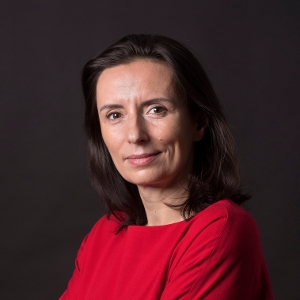
    Recently, Dr Justyna Wubs-Mrozewicz has joined our General Board as representative of the University of Amsterdam. This position became vacant because Dr Danielle van den Heuvel has recently been appointed Professor of Social and Economic History at Utrecht University.

    Dr Wubs is Associate Professor in Medieval History at the University of Amsterdam. Her research interests are premodern conflict management, mobility, identity and alterity, intergroup dynamics, language and communication and hence also the Hanse, premodern commercial cities in Europe, premodern maritime trade in Europe, and food and drink in medieval Europe. Over the past five years (2018-2023) she was the Principal Investigator of the NWO VIDI project ‘Managing multi-level conflicts in commercial cities in Northern Europe (c. 1350-1750)’.

    The General Board sincerely welcomes Justyna as new board member!

    PERSONAL WEBSITE

  • PhD Defence Posthumus alumnus Ewout Hasken (Utrecht University)

    PhD Defence Posthumus alumnus Ewout Hasken (Utrecht University)

    On 17 October 2024, Posthumus alumnus Ewout Hasken will defend his PhD thesis ‘From Rags to Riches: Changing Perceptions of Family Business in the Netherlands, 1945-2019’ at Utrecht University. Promotores are Professor Bas van Bavel and Professor Naomi Ellemers (both Utrecht University), co-promotor is Dr Gerarda Westerhuis, previously Assistant Professor at Utrecht University and currently Sectoral Economist Retail and Leisure at ABN AMRO Bank.

    Right before the start of the formal defence ceremony, between 10:15 and 10:30, Ewout will deliver a ‘layman’s speech’ to introduce his research topic to the audience present.

    We wish Ewout a successful defence!

    FULL INFO

  • 3rd Global Conference on the History of Risk and Insurance (Warsaw, Poland)

    3rd Global Conference on the History of Risk and Insurance (Warsaw, Poland)

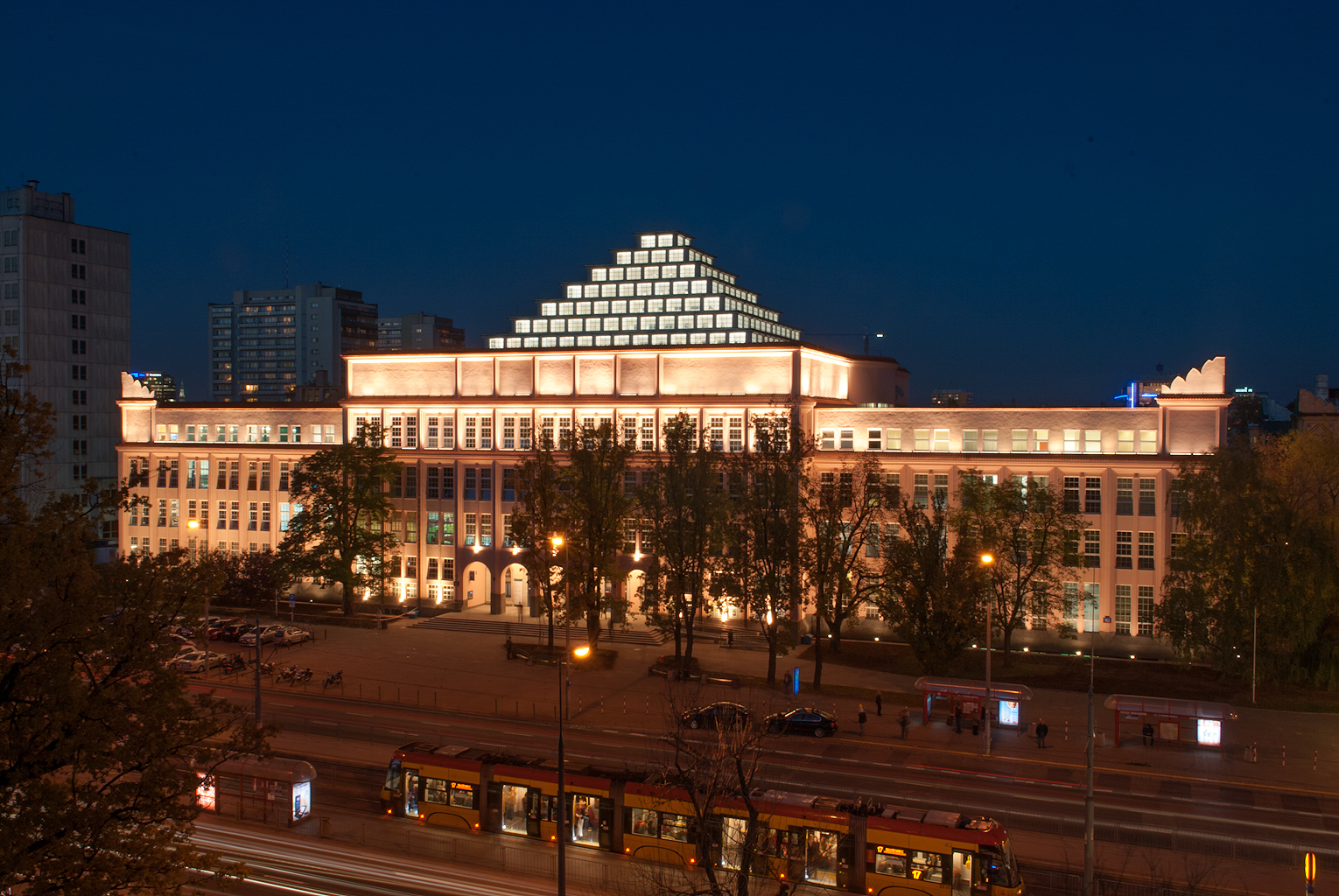
    On 3 and 4 July 2025, The Warsaw School of Economics will be hosting the Third Global Conference on the History of Risk and Insurance. This conference investigates insurance as crucial to social development, economic advances, finance globalisation, and general capitalism. It discusses risk and how people have coped with it from the early beginning of human society to the era of artificial intelligence, locally, regionally, and internationally, with a closer look at the Central and Eastern European regions. This global lens invites the combination of the wide global perspective with local, micro-historical perceptions. The conference combines business professionals and academics from around the world.

    Papers are invited to take either a comparative view, contrasting different geographical contexts, or a generalizing, international perspective. The conference theme also includes the areas of consumption, such as the social and ethnic patterns of insurance markets, and the changing perceptions of risk in different geographic and cultural contexts especially in the face of the application modern AI approach. Scholars are particularly invited to cross traditional academic boundaries by offering insights on geographical entanglements or trans-epochal developments. The conference follows an interdisciplinary format, bringing together scholars from various disciplines interested in the history of insurance from global perspectives, notably from Business History, International Business Studies, Global History, Consumer History, the History of Law, and Historical Sociology.

    Abstracts (500 words max.) were due by 16 December 2024. For further details, visit the conference website (see button below).

    CONFERENCE WEBSITE

  • Lecture by Professor Jan de Vries (UC Berkeley) on ‘Climate, economy and society in the Netherlands, 1579-1800’

    Lecture by Professor Jan de Vries (UC Berkeley) on ‘Climate, economy and society in the Netherlands, 1579-1800’

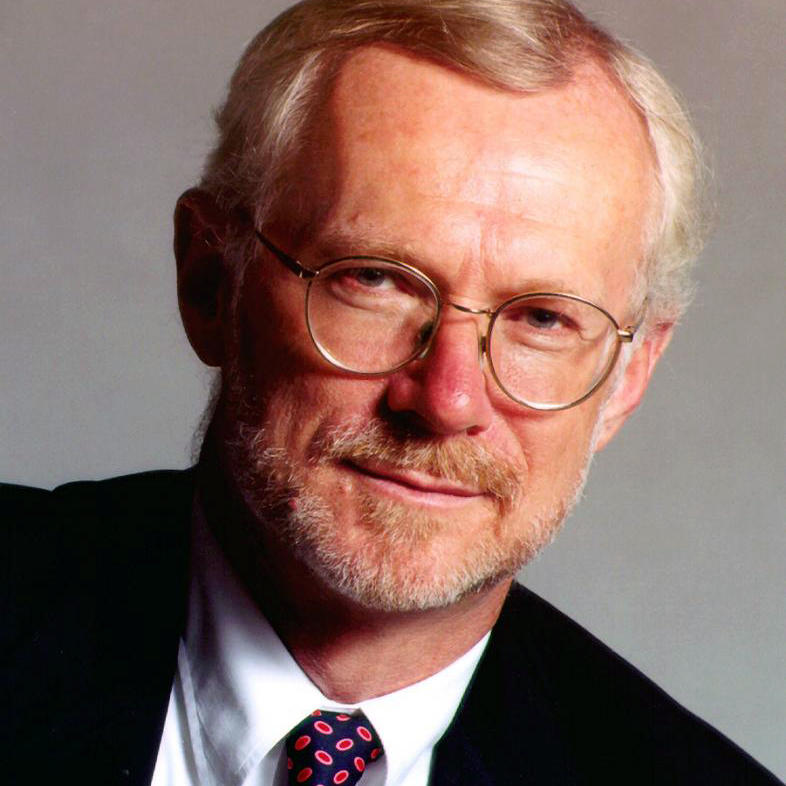
    The organisers of the Economic and Social History seminar series at Utrecht University cordially invite you to the lecture ‘Climate, economy and society in the Netherlands, 1579-1800’ by Jan de Vries, Ehrman Professor Emeritus at UC Berkeley. The lecture will be held on 15 October 2024, 4-6 pm, at Janskerkhof 2-3, room 0.21.

    Jan de Vries has constructed a series of annual data on winter temperatures in Holland, starting in 1579. He will explain the creation of this data-set but, more importantly, what the data can tell us about the changes in the local climate during the Little Ice Age, and its impact on the Dutch economy and society at a time when the Dutch dominated world trade and managed to become arguably the richest people in the world.

    Jan de Vries is professor emeritus at the University of California, Berkeley. He is one of the most-cited economic historians of his generation and famous for his work on both Dutch and European economic history. His books include (with Ad van der Woude) The First Modern Economy: Success, Failure, and Perseverance of the Dutch Economy, 1500-1815 (1997), The Industrious Revolution: Consumer Behavior and the Household Economy, 1650 to the Present (2008), and The Price of Bread: Regulating the Market in the Dutch Republic (2019).

    Attending is free of charge and no reservation is required. However: full is full, members of the ESH group at Utrecht University will have priority.