Research School for Economic and Social History

Blog

  • In Memoriam: em. o. Univ.-Prof. Dr. Josef Peter Ehmer (1948–2023)

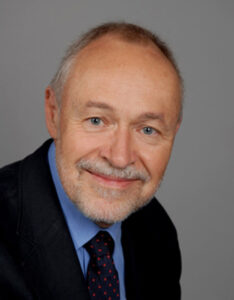
    In Memoriam: em. o. Univ.-Prof. Dr. Josef Peter Ehmer (1948–2023)

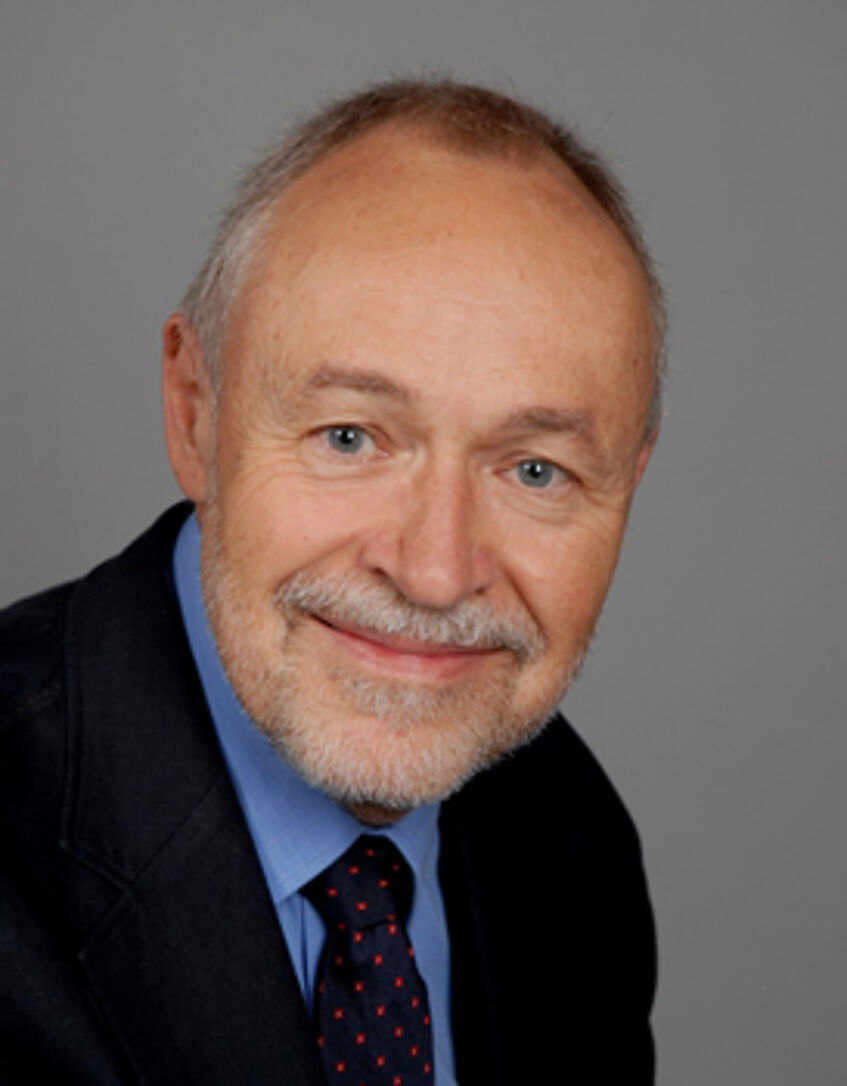
    We are sad to have received the notice that Josef Peter Ehmer, emeritus university professor at the University of Vienna and former member of the ESTER network, passed away on 10 May 2023 at the age of 74.

    Born on 7 November 1948 in Gschwandt near Gmunden, Upper-Austria already became a devoted reader at a young age, as he passed his time recovering from a lengthy disease in his childhood at the city library of Gmunden. After completing his secondary education at the Bundesgymnasium in Gmunden, he started his study in History and German Studies in 1968 at the University of Vienna, a study he successfully completed with a thesis on family structure and organisation of labour in early modern Vienna in 1977. His academic research at that time was also strongly inspired by Michael Mitterauer (1937–2022).

    In 1995, Josef Ehmer was awarded the Victor-Adler-State Prize for the History of Social Movements. His projects and initiatives, as well as his lectures and his numerous publications always had an impact on the present, and were valued highly around the world: interdisciplinary research and societal relevance were always at the focus of his work.

    Because of his academic projects and research Josef Ehmer was well known in international academia and cooperated within many international research institutes, such as the Max-Planck-Institut für Geschichte, the Cambridge Group of the History of Population and Social Structure. Between 2001 and 2008, as part of the so-called Schwerpunktprogramms 1106 of the Deutschen Forschungsgemeinschaft Josef Ehmer, was in charge of research projects regarding the ‘origin, kinds, and consequences of the construct ‘Bevölkerung’ before, during and after the Third Reich'(together with Rainer Mackensen (1927–2018)) as well of the Working Group on ‘The Elderly in Germany’ of the German National Scientific Academy, in cooperation with Jürgen Kocka.

    After numerous international guest professorships, Josef Ehmer was appointed University Professor in General Modern History at the University of Salzburg in 1993; he combined this position wit the positions of Director of the Institute and vice-dean at the same university. In 2005, he was appointed University Professor in Economic and Social History at the University of Vienna, as successor of Michael Mitterauer, a position he held until his retirement in 2015.

    As a result of his interdisciplinary academic endeavours, Josef Ehmer was became involved in the European graduate School for Training in Economic and social historical Research (ESTER). His contribution to the ESTER events was highly valued. He will be dearly missed.

    On behalf of the ESTER network, we offer our sincere condolences to his wife Riki and his family.

    The farewell service will be held on Friday, 26 May 2023 at 13:00 at the Feuerhalle Simmeringe in Vienna. At the request of the late professor Ehmer, those wanting to pay their respects, are requested not to send flowers, but in stead to contribute to the cause of the SOS Balkanroute, IBAN AT20 2011 1842 8097 8400, BIC GIBAATWWXXX.

    On behalf of ESTER / N.W. Posthumus Institute,
    Dr Jessica Dijkman, Research Director
    Dr Rogier van Kooten, Education Programme Director
    René van Weeren BA, Office Manager

    FULL OBITUARY (IN GERMAN)

    ANNOUNCEMENT (PDF)

    [This obituary is partly based on the full obituary by Anne-Marie Steidl; read the full obituary in German here]

  • Agrarian Capitalism in the Preindustrial Low Countries : Local, Regional, and Global Dimensions

    Agrarian Capitalism in the Preindustrial Low Countries : Local, Regional, and Global Dimensions

    Posthumus students Bram Hilkens (PhD candidate at Erasmus University Rotterdam) and Sam Miske (PhD candidate at Vrije Universiteit Amsterdam), with support by the Posthumus Institute research network ‘Economy and Society of the Pre-Industrial Low Countries in Comparative Perspective’, the NWO-funded VIDI projects ‘Positively Shocking! The Redistributive Impact of Mass Mortality through Epidemic Diseases and Violent Conflict in Early Modern Northwest Europe’ and ‘Land Grabbing and Dutch Empire (16-18th century)’, and the International Institute for Social History (IISH), are organising the workshop ‘Agrarian Capitalism in the Preindustrial Low Countries : Local, Regional, and Global Dimensions’ at the International Institute of Social History in June 2023. For this workshop, papers on agrarian capitalism in the preindustrial Low Countries and related areas, such as border regions and colonies under the Dutch Empire, are welcomed. The organisers are hoping to receive contributions from researchers at various points in their respective careers and especially encourage the application of early career researchers such as PhD candidates and postdocs.

    About the workshop

    In scholarship concerning the transition from feudalism to capitalism, the concept of agrarian capitalism has played a crucial role as it marks the dominance of market mechanisms over other forms of exchange of land, labour, and capital in the countryside. The medieval and early modern Low Countries form a particularly interesting case in this scholarship, as both the Southern Low Countries and the Dutch Republic have been associated with early forms of agrarian capitalism. These transitions, however, have mostly been discussed in isolation from not only one another, but also from broader social developments such as the overseas expansion of the Dutch Republic, the flourishing of textile industries in the Southern Low Countries, or war-driven migration, to name a few.

    New research projects are attempting to approach the agrarian capitalism framework from a different angle, stressing its many interrelated links with environment, inequality, the rise of the world market, and gender relations. This workshop attempts to consider new approaches to and uses for the agrarian capitalism framework for the Low Countries. Under what circumstances do we speak of agrarian capitalism? How do we distinguish it from ‘urban’ or ‘regular’ capitalism? What kind of variables indicate its emergence or dominance? Where do we place it chronologically? Do we speak of an internal institutional transition in the countryside, or is it impossible to see it apart from broader, global socioeconomic developments? How did these processes relate to (changes in) the gendered division of labour and economic autonomy of women? By addressing such questions, we aim to test the relevance of the agrarian capitalism framework for the case of the preindustrial Low Countries and vice versa.

    Program

    10:00-10:15 Welcome and coffee
    10:15-10:20 Introduction by organizers
    10:20-10:30 Bram Hilkens (Erasmus University Rotterdam) – Introduction to Agrarian Capitalism: Traditional and Present-Day Perspectives
    10:30-11:00 Piet van Cruyningen (Wageningen UR) – Agrarian Capitalism in the North Sea Lowland in the Early Modern Period [abstract (pdf)]
    11:00-11:15 Coffee break
    11:15-11:45 Arnoud Jensen (University of Antwerp) – Leasing at the Cost of Nature? Short-Term Leasehold Between Agrarian Capitalism and Environmental Stewardship in the Late Medieval Low Countries [abstract (pdf)]
    11:45-12:15 Jim van der Meulen (Ghent University) – Rewilding as Opportunity: Seigneurial Monopolization of Wildlife Under Early Agrarian Capitalism (Guelders and Flanders, 15th-16th Centuries) [abstract (pdf)]
    12:15-13:15 Lunch
    13:15-13:45 Reinder Klinkhamer (University of Groningen) – The Limits of Agrarian Capitalism in Guelders (c. 1450-1550) [abstract (pdf)]
    13:45-14:15 Harm Zwarts (University of Groningen) – Financial Markets and Agrarian Communities:
    An Analysis of Investment Portfolios of Reformed Deaconries in the Countryside Of The Dutch Republic, c. 1750-1800
    14:15-14:45 Sam Miske (VU Amsterdam) – Between Mercantile and Agrarian Capitalism: The Dutch Colonisation of the Banda Islands, Early 17th Century [abstract (pdf)]
    14:45-15:00 Coffee break
    15:00-15:40 Round table discussion: Pepijn Brandon (VU Amsterdam), Daniel Curtis (Erasmus University Rotterdam), Petra van Dam (VU Amsterdam), Maïka De Keyzer (KU Leuven)
    15:40-16:30 Open discussion
    16:30-16:45 Closing words
    16:45-18:00 Drinks

    MORE INFO

  • Workshop on Belief in Solidarity

    Workshop on Belief in Solidarity

    On 11-13 December 2023, UCSIA, the Urban Studies Institute (University of Antwerp) and Centre Pieter Gillis (University of Antwerp) organise an academic workshop at the University of Antwerp on interdisciplinary perspectives on the role of religiously inspired solidarity in modernising and post-secular contexts.

    The organisers of this workshop aim to discuss the role of faith and religious inspiration in organizing solidarity in contemporary superdiverse and post-secular urbanized societies as well as in secularising societies from the nineteenth century on by proceeding from the observation that religiously inspired or faith-based organizations have played and continue to play a significant role in offering social support and protection to vulnerable groups. However, these organisations do not sit easily in their intellectual and political-ideological context. While religiously inspired solidarity is driven by inner motives and personal faith, in the historical development of European welfare states, solidarity has become institutionalized as a set of impersonal redistributive mechanisms such as paying taxes and social contributions.

    Confirmed keynotes are Anne Birgitta Pessi (Professor of Church and Social Studies, University of Helsinki), Sigrun Kahl (Assistant Professor of Political Science and Sociology, Yale University) and Joan Stavo-Debauge (Associate Researcher, University of Lausanne).

    FULL INFO

  • Book launch – New publication by Posthumus alumna Janna Everaert – register before 24 May 2023

    Book launch – New publication by Posthumus alumna Janna Everaert – register before 24 May 2023

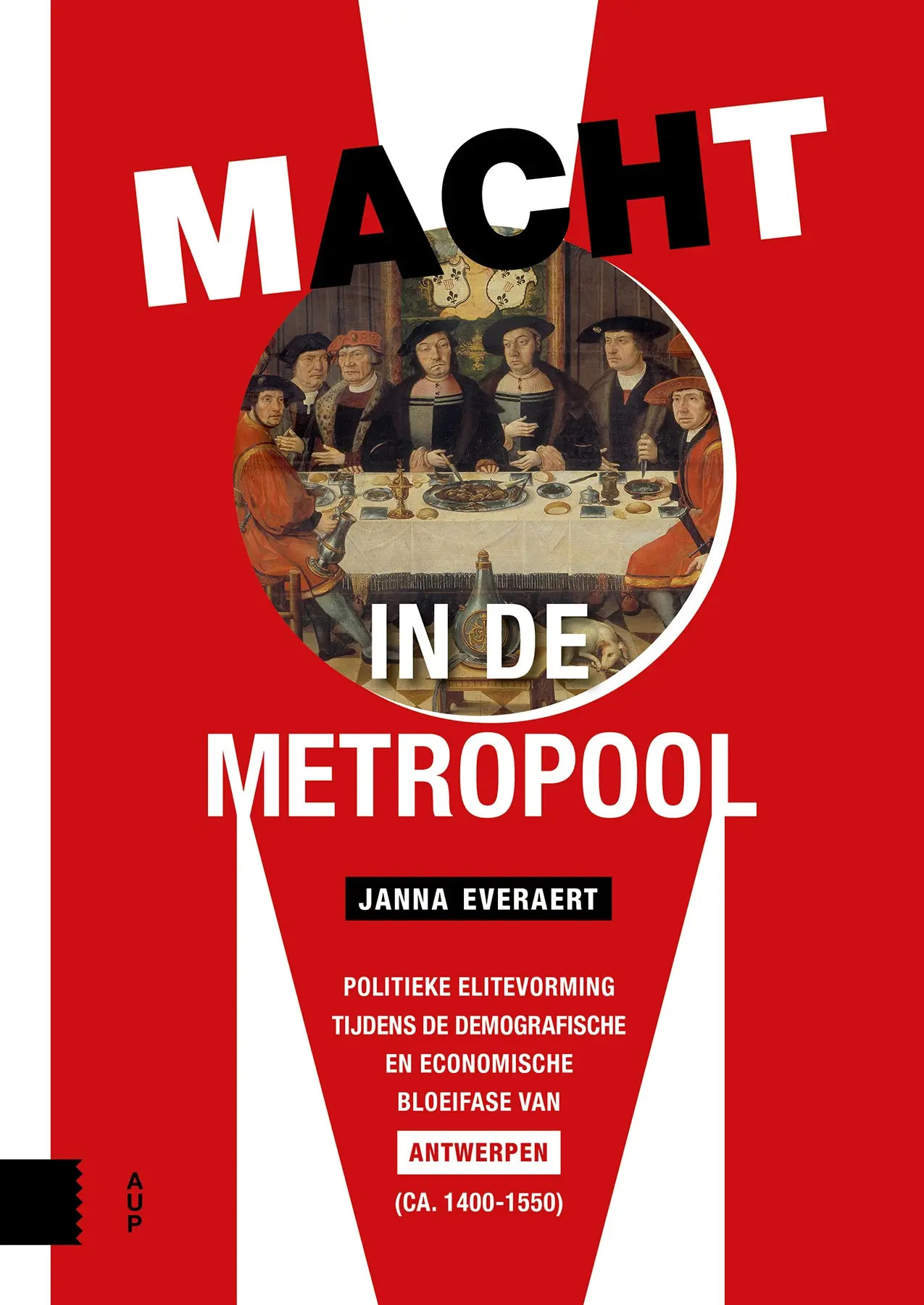
    On 5 June 2023, Posthumus alumna Dr Janna Everaert, now affiliated as postdoc researcher with the Brussels Centre for Urban Studies at Vrije Universiteit Brussel, will present the first copy of the book Macht in de metropool: Politieke elitevorming tijdens de demografische en economische bloeifase van Antwerpen (ca. 1400-1550), published with Amsterdam University Press, to the mayor of the City of Antwerp, Mr. Bart De Wever.

    If you want to attend this launch, please make sure to register before 24 May 2023 (see button below).

    REGISTER

    About the book

    During Antwerp’s Golden Age, the city replaced Bruges as the primary trading hub of Western Europe. Antwerp transformed from a medium-sized Brabantine town to an unparalleled metropolis in the Low Countries with over 100.000 inhabitants. Although little is known regarding the impact of this transformation on the city’s governance, Antwerp serves as an intriguing and exceptional case study. Unlike other trading metropolises such as sixteenth-century Lyon or seventeenth-century Amsterdam, where merchants increasingly occupied positions in the city council, this was not the case in Antwerp. The book Macht in de Metropool reconstructs the compositions of Antwerp’s city council between 1400 and 1550. It examines the profile of the different aldermen and mayors and how they evolved over time. Furthermore, the research analyses the real estate investments of this group and their relationship with key groups in society such as the merchants, the nobility, and the central administration.

    PUBLISHER’S INFO

  • Workshop ‘Epidemics in Medieval and Early Modern Western Europe’ (hybrid)

    Workshop ‘Epidemics in Medieval and Early Modern Western Europe’ (hybrid)

    Preceding the PhD defence by Hugo La Poutré, the Groningen Research Institute for the Study of Culture (ICOG) and the Scientific Network for Historical Demography (HiDo:) jointly organise the hybrid workshop ‘Epidemics in Medieval and Early Modern Western Europe’.

    This workshop will be chaired by Dr Anjana Singh and includes presentations by several Posthumus fellows and alumni.

    The workshop will be held both on location and via a live-stream. No prior registration is required, but please contact organiser Dr Richard Paping to obtain the required links.

    MORE INFO (PDF)

  • Workshop ‘Pioneers of Capitalism in the Low Countries’

    Workshop ‘Pioneers of Capitalism in the Low Countries’

    On 30 June 2023, the Center for Urban History of the University of Antwerp and the Antwerp Interdisciplinary Platform for Research into Inequality (AIPRIL), in cooperation with the N.W. Posthumus Institute, will host a workshop that is dedicated to the brand new book by Maarten Prak and Jan Luiten van Zanden, published in 2022 under the title Pioneers of Capitalism: The Netherlands, 1000-1800.

    To frame the long-term socioeconomic history of the Northern Netherlands, the book employs the terminology of ‘varieties of capitalism’, which revolves around the idea that the balance between market and state differs in time and space. While capitalism in the colonies remained extractive, the intervention of the state in the economy fostered the rise of a resilient and inclusive market economy within the Netherlands. Assessing the societal impact of the idiosyncratic development of Dutch capitalism, Prak and Van Zanden refer to a group of Flemish historians who recently drew attention to the paradoxical confluence of rising middle classes and increasing social inequality that went hand in hand with economic growth in the Low Countries.

    This workshop reflects on the ‘varieties of capitalism’ and ‘Low Countries paradox’ concepts and assesses their strengths and limitations for future research into the socioeconomic history of both the Northern and Southern Netherlands. Please register prior to the event by e-mail with PhD candidate Bas Spliet at the University of Antwerp.


    DOWNLOAD FLYER (PDF)

  • Evenement ‘Collectieven en overheid: Genoeg geëxperimenteerd?!’

    Evenement ‘Collectieven en overheid: Genoeg geëxperimenteerd?!’

    ~ because of scope, in Dutch only ~

    Het onderzoeksteam achter het Kennisplatform Collectieve Kracht organiseert op 16 juni in Eindhoven een inspirerende dag waar burgercollectieven en overheid worden samengebracht. Beide partijen hebben in het verleden met elkaar samengewerkt, maar waar zal die samenwerking in de toekomst toe leiden en welke volgende stappen moeten genomen worden?

    Het evenement begint met een warm welkom door Lukas Held van Collectieve Kracht en Jacques Giesbertz van Europe Direct Eindhoven. Hierop volgen een keynote en tien sessies met elk hun eigen thema’s en sprekers. Het evenement wordt afgesloten met een panel en netwerkborrel. Welkomstconsumpties en consumpties tijdens de netwerkborrel zijn voorzien, de optionele lunch dient zelf betaald te worden. Toegang tot de bijeenkomst is verder vrij, reservering vooraf is echter nodig.

    MEER INFO EN RESERVEREN

  • Summer School CityLab IX: ‘Cities and states: exploring a complicated relationship’

    Summer School CityLab IX: ‘Cities and states: exploring a complicated relationship’

    Please note the deadline for applications has passed on 15 May 2023.

    Antwerp Summer University welcomes applications for the Summer School CityLab IX: ‘Cities and states: exploring a complicated relationship’, to be organised at the University of Antwerp in July 2023. In this CityLAB, a range of scholars from a variety of disciplinary backgrounds and focusing on cities and states in the North as well as the South will introduce the participants to their research. Urban professionals and high profile urban politicians will also discuss how they see the current position of cities in relation to national states. Participants will also have the opportunity to discuss their research with other participants and senior scholars.

    Through this interdisciplinary summer school, the organisers aim to bring junior and senior scholars from a variety of disciplines to explore and discuss how, when and why the relationships between cities and states have evolved and are still evolving. Particular interest is taken in how cities and state have differed and differ in the way they govern societies and with which impact on social inequality, power relations, socio-ecological flows and living in diversity.

    Applications should be submitted via the dedicated portal, the deadline for applications has been set at 15 May 2023. Those requiring visa to enter Belgium are advised to submit their application timely.

    FULL INFO

  • Kate Frederick awarded Keetje Hodshon Award 2023

    Kate Frederick awarded Keetje Hodshon Award 2023

    Dr Katherine Frederick, one of the Research Directors of the Posthumus Research Network ‘Societies in Context: Interactions between humans and rural-urban environments’, has been awarded the Keetje Hodshon Award 2023. Kate receives this award for her PhD thesis Deindustrialization in East Africa: Textile production in an era of globalization and colonization, c. 1830-1940, which she succesfully defended at Wageningen University in 2018. Previously, she was also awarded the Dissertation Award at WEHC2022.

    The Keetje Hodshon Award has been established by the  J.C. Ruigrok Stichting te Haarlem and is intended to support recently (< 5 years) promoted PhDs, based on their original research within the field of Humanities. The award is granted by the board of the Koninklijke Hollandsche Maatschappij der Wetenschappen and will be awarded at the award ceremony at the Hodshon huis of the KHMW.

    The N.W. Posthumus Institute staff congratulates Kate very much with winning this award.

    ANNOUNCEMENT KHMW (IN DUTCH)

  • PhD defence Posthumus alumnus Hugo La Poutré

    PhD defence Posthumus alumnus Hugo La Poutré

    On 5 June 2023, Posthumus alumnus Hugo La Poutré will defend his PhD thesis ‘English population 1086-1377: a modelling approach’ at the Faculty of Arts of the University of Groningen.

    Population size, food production, and consumption are closely related. Hugo La Poutré concentrates on this relationship in his doctoral research. He shows by the use of simulations that the English population tripled within two centuries, from two million in 1100 to over six million in 1300. Half a century later, the Black Death, the devastating plague epidemic of 1348-1349, caused more than three million deaths in England alone. During the following plague epidemics, the population declined even further.

    Amongst other things, these changes left their mark on the production and consumption of food. Pints of beer and hog roast might not have been uncommon at the end of the fourteenth century, but they were when the population peaked at the start of the fourteenth century. Then, it must have been pea soup with bread. After all, such a large population had to be fed, and arable land is simply more productive than pasture. La Poutré makes plausible that the common people must have lived on an almost vegan diet of cereals and legumes. To raise production, peasants spread as much manure on their land as possible, and let their land less often lie fallow. Making use of models, La Poutré calculates their production to have been 50 per cent higher than what was attained at their lord’s land. In this way, a population of six million could be fed.

    Promotors are Dr Richard Paping and Professor emeritus Maarten Duijvendak, both from the Faculty of Arts of the University of Groningen.

    The defence will also be streamed live via the link mentioned in the header section of this post. You can find more info and download the thesis via the button below.

    Please note that Hugo has connected his promotion to the charity programme of Tracing (Restoring Family Links), a programme of the international Red Cross to help find lost relatives in case of war, conflicts, natural disaster or migration. Donations are welcome.

    THESIS INFO